
Our Plumbing Blog
Dishwasher Air Gap or High Loop: Which Your Drain Needs
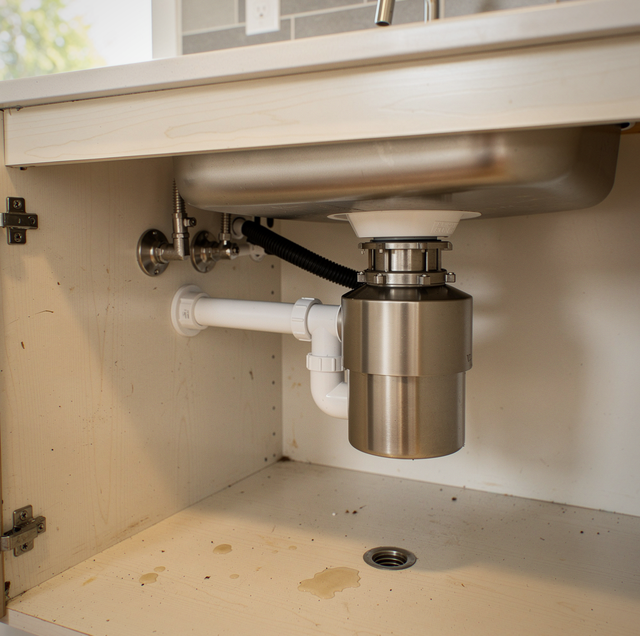
Take a new garbage disposal out of its carton and look at the short nipple molded into the side of the housing, near the mounting flange.
Your Repipe Documentation File: What Each Piece Answers
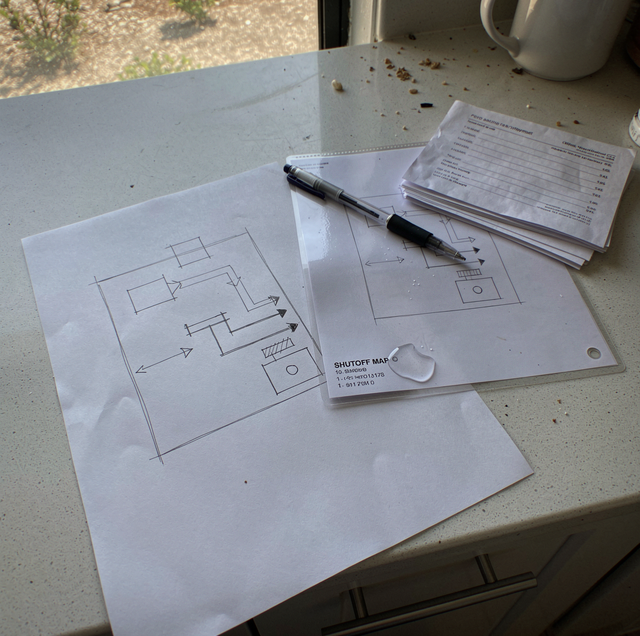
The last morning of a repipe has a shape to it. The crew runs the final tests, the walls go back together, somebody hands you a folder or promises to send one, and the truck pulls away.
Single-Bowl vs. Double-Bowl Sink: What Fits Your Cabinet
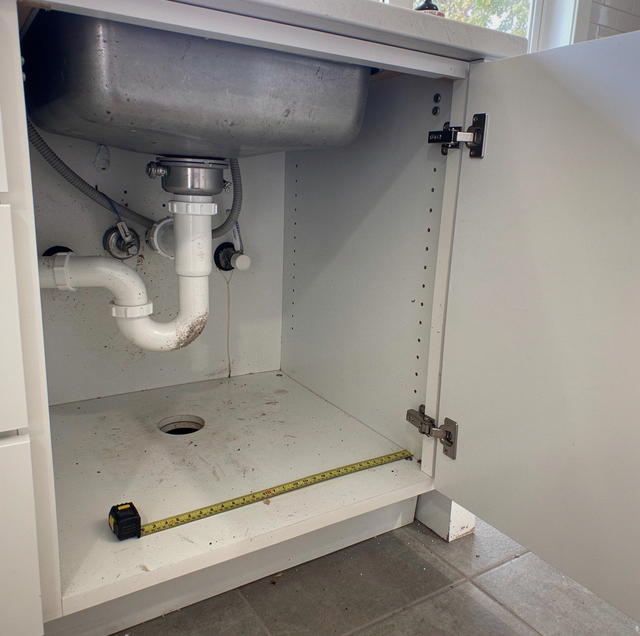
A sink display lines up bowls side by side, single and double, deep and shallow, and the buying guides online argue the same two points every time: one big basin for roasting pans, two smaller ones for washing and rinsing at once.
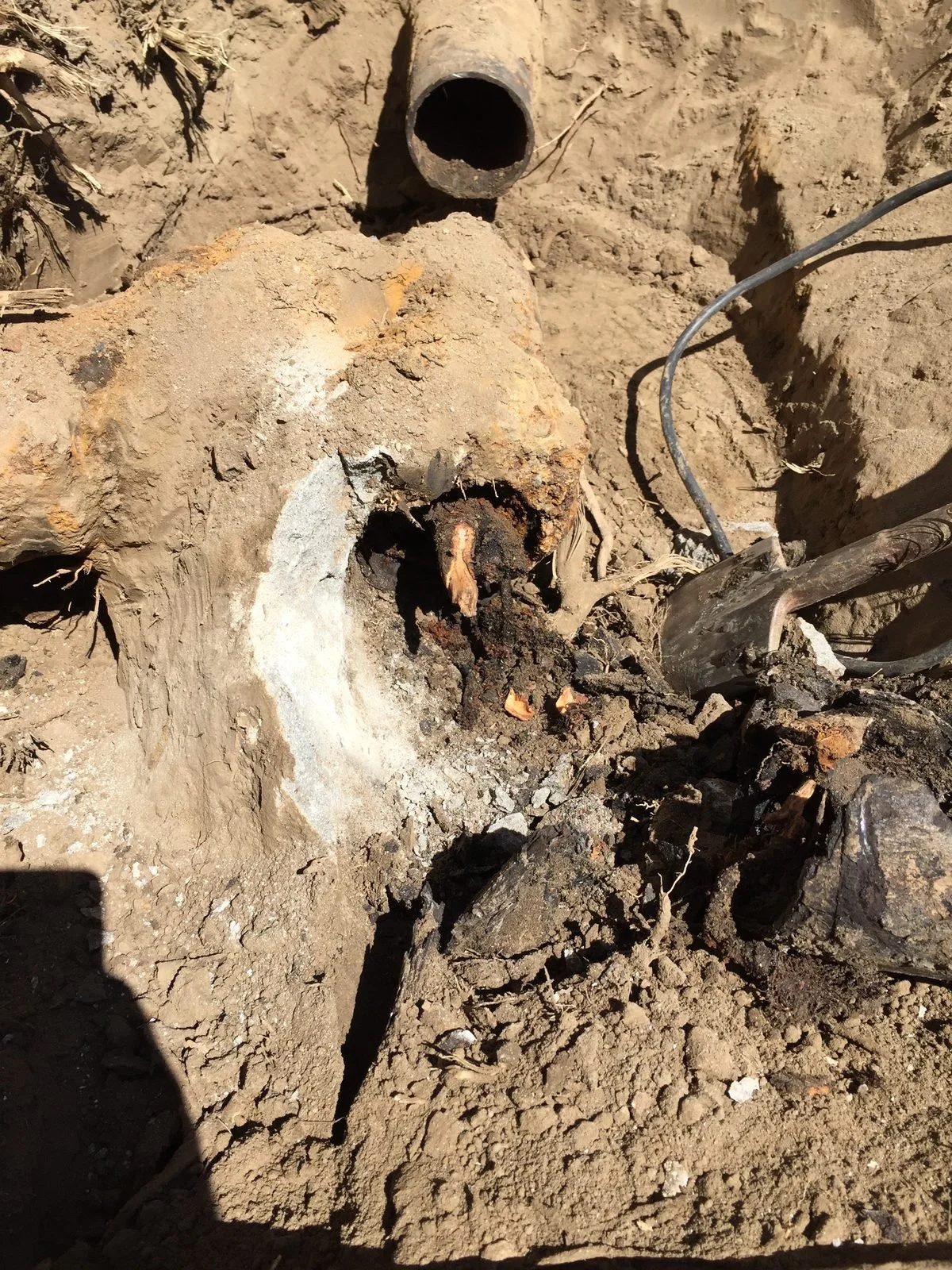
Signs Your Sewer Line Is Failing (Before It Backs Up)
A clogged sink is annoying. A failing main sewer line is a different problem entirely, and it announces itself in ways a single clog never does. The main line is the one big pipe that carries everything (every toilet, sink, tub, shower, and washing machine drain) out to the municipal sewer or a septic tank. When that pipe breaks down, the waste from the whole house has nowhere clean to go, so the symptoms spread across fixtures instead of staying at one drain.
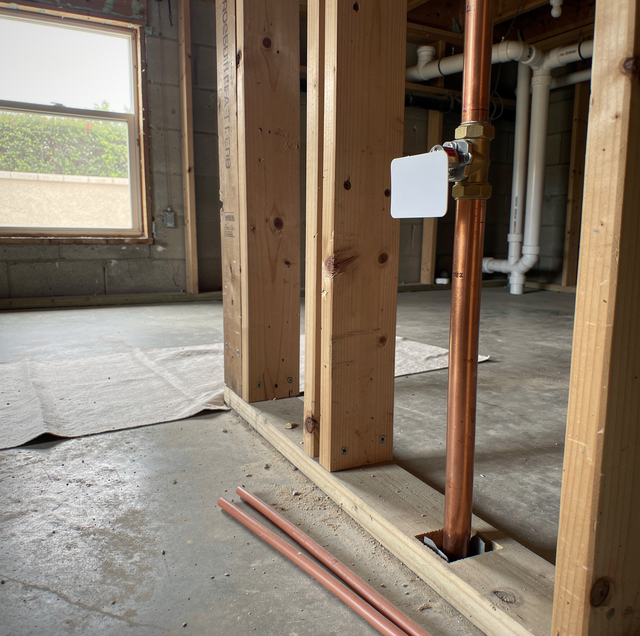
Repiping Before You Build an ADU: What to Stub Out Now
The detached garage at the back of the lot takes its water from one small branch: a line that leaves the house near the laundry, runs out under the eave, and ends at a single hose bib.
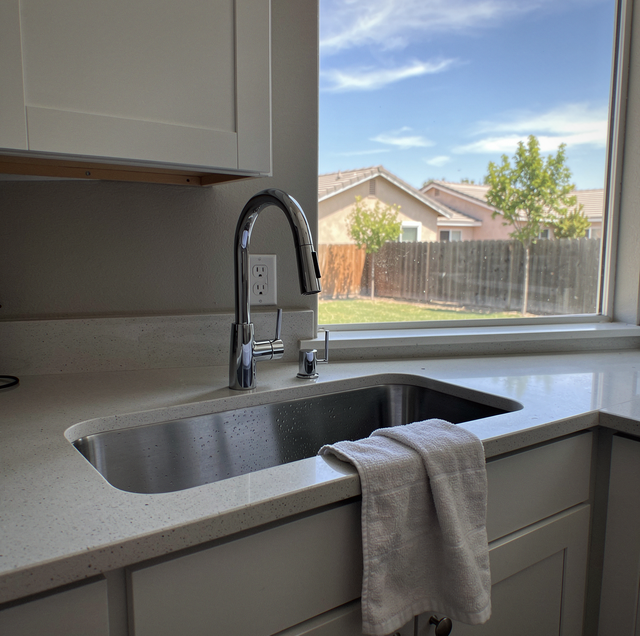
How to Pick a Kitchen Faucet a Plumber Can Repair Later
Shoppers comparing kitchen faucets almost always compare the wrong thing. They line finishes up side by side, weigh spout shapes against the sink, and lean toward a brand name they recognize.
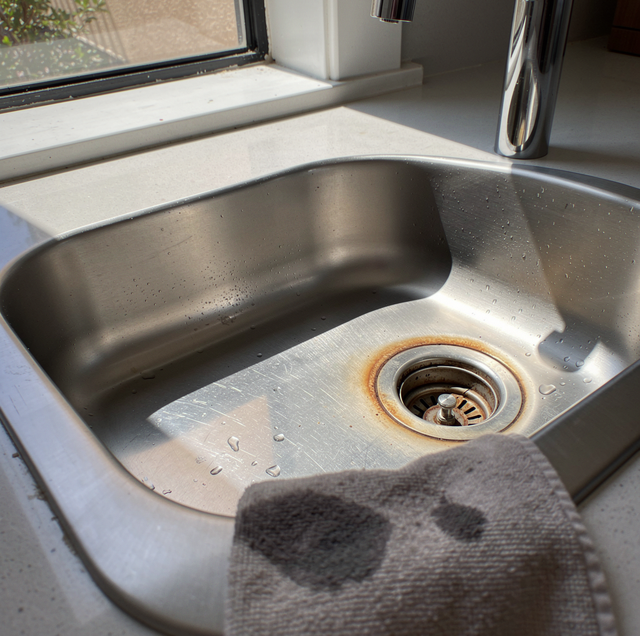
Replacing a Sink Strainer: Rust Rings and Failed Seals
Lift the strainer basket out of a kitchen sink and the first thing you may find is a ring of rust-colored staining circling the drain opening, right where the strainer ring has been sitting for years.
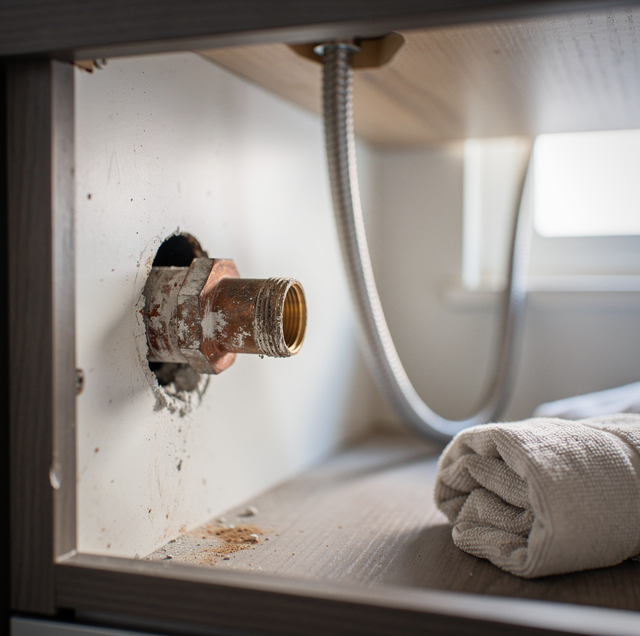
Faucet Supply Line Replacement — the Corrosion Signs to Read
Cleaning supplies get pulled out from under the sink and put back without anyone looking past them.
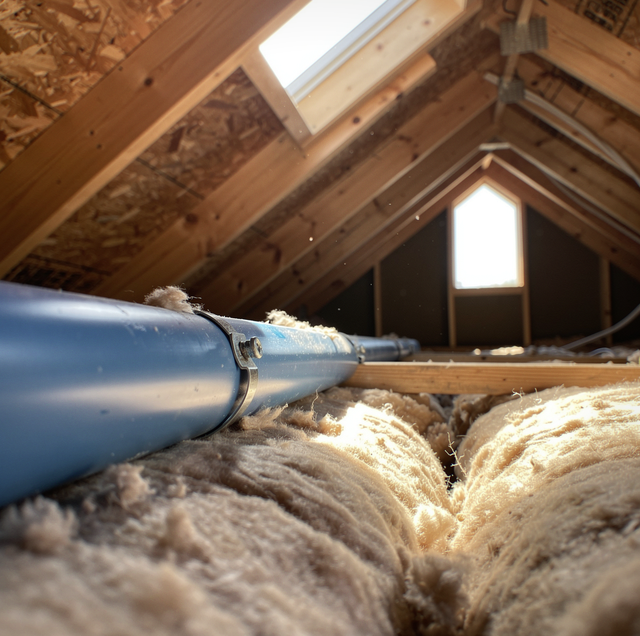
PEX Pipes in a Hot Attic: Why Your Cold Line Runs Warm
An attic on a hot afternoon is a different building from the house underneath it.
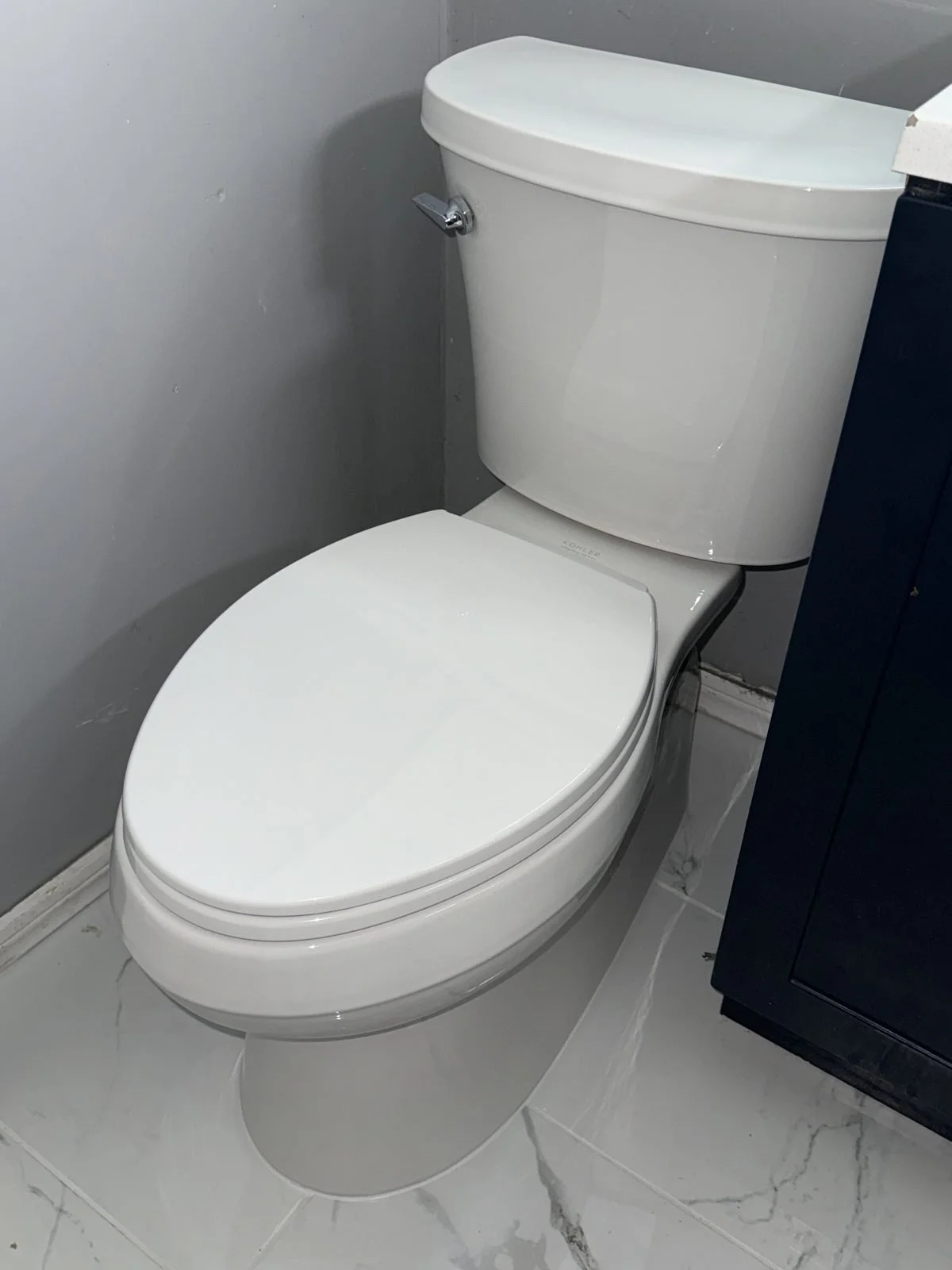
Why Does My Toilet Keep Running, and How Do I Stop It?
The flush ends, but the tank never goes quiet. Maybe you hear a faint hiss, maybe the toilet refills on its own every few minutes, or maybe the water in the bowl keeps wrinkling as if something is dripping into it. A toilet that will not stop running wastes water around the clock, and the parts responsible almost all sit inside the tank, where you can see them by lifting the lid. Once you know what each part does, the search for the fault gets short.
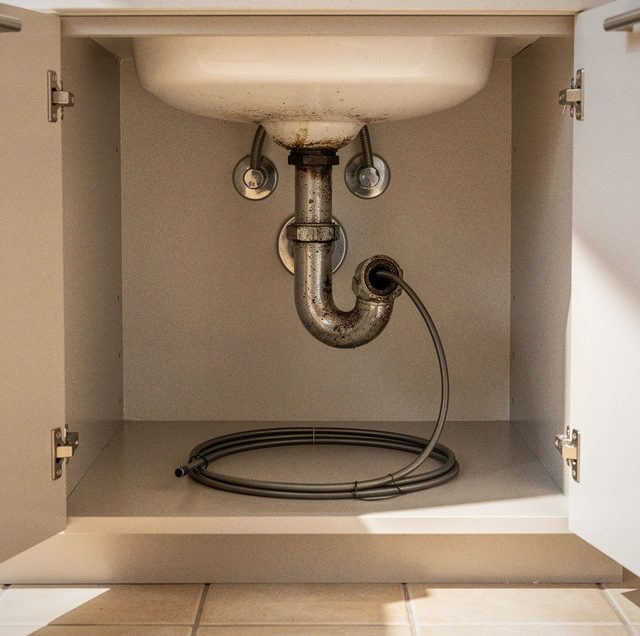
Why Your Drain Keeps Clogging No Matter What
You clear it, it drains, and a week later, it's slow again. A drain that keeps clogging no matter what you do is one of the most common and most frustrating plumbing problems, and the reason it keeps coming back is almost always the same: the quick fixes clear the symptom but leave the real blockage in place. Understanding what's actually happening in the pipe explains why the clog returns and what it takes to make it stop.
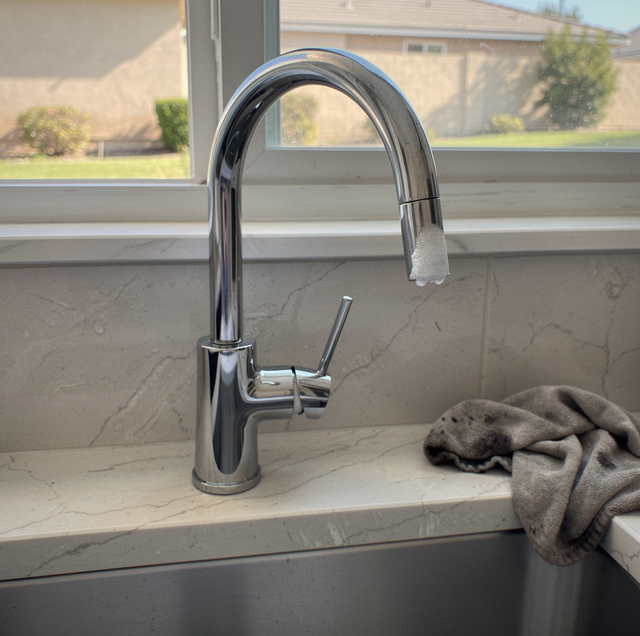
Squealing, Stiff or Loose: What a Faucet Handle Tells You
The handle is the only part of a faucet most people ever actually touch. The cartridge, the valve seat, the supply lines, the connections tucked under the sink: all of it stays hidden behind the deck or the wall, doing its job or failing at it without announcing anything directly.
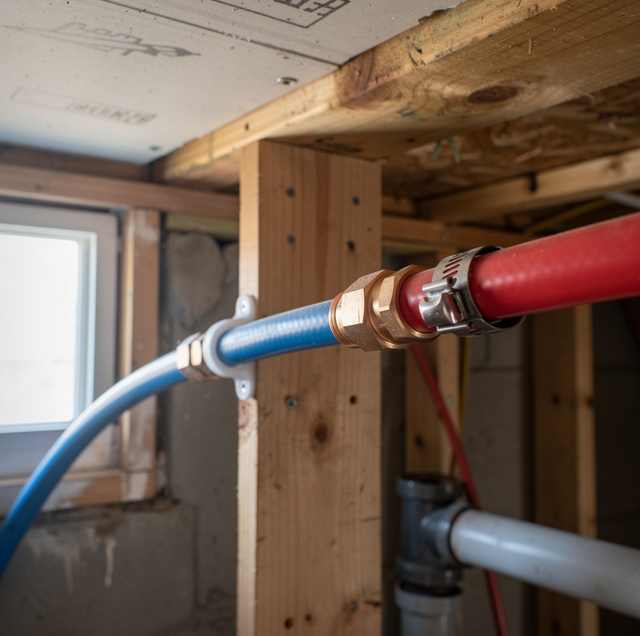
PEX Expansion vs. Crimp Fittings: What the Name Tells You
Ask plumbers what they argue about and the list runs long. Ask where a water system actually fails, and the answers converge almost word for word: not in the middle of a length of pipe, but at a joint.
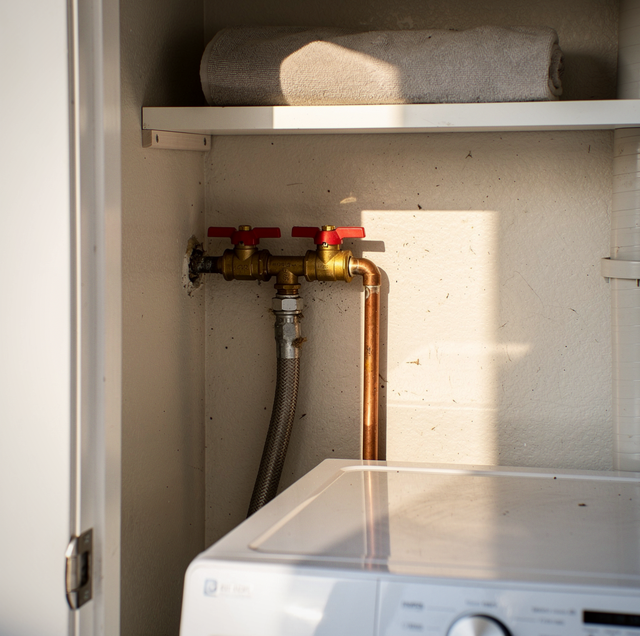
Washing Machine Hose Replacement: The Failure With No Warning
You start a load before leaving for the day, the way you always do, and come home to water working its way under the laundry closet door.
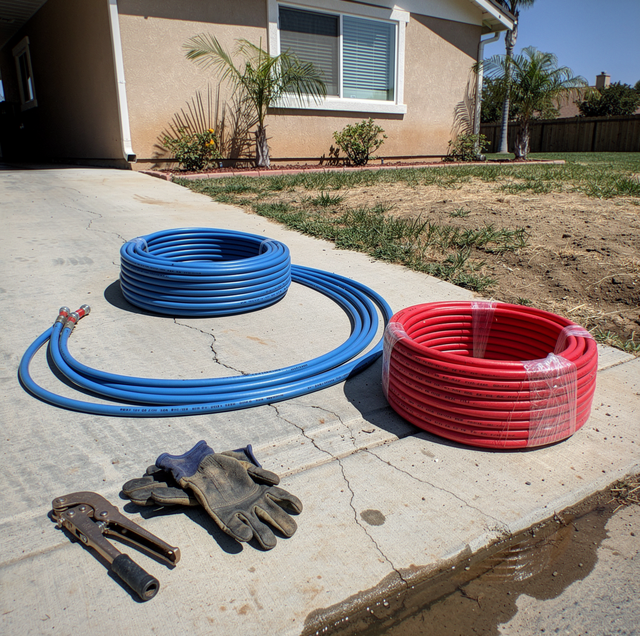
PEX-A vs. PEX-B for a Repipe: What Changes in the Walls
A coil of PEX comes off the truck bound in a tight roll, and before any of it goes into a wall, somebody walks it out along the driveway to pull the coil memory out of the tube.
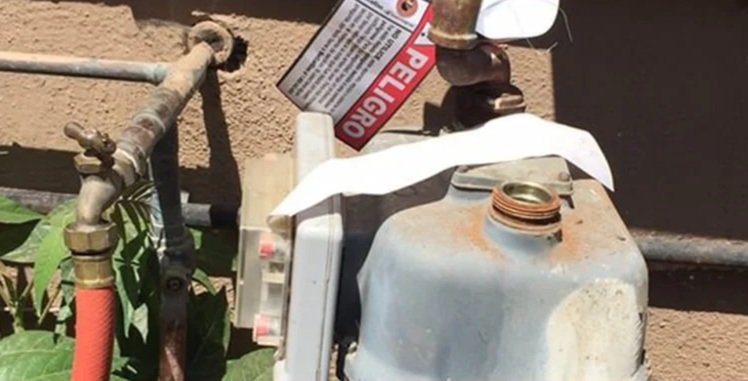
When Does a Home Actually Need Repiping?
Replacing all the pipes in a home sounds drastic, so most people put it off, fixing one leak at a time. But there's a point where patching stops making sense — where the pipes themselves are wearing out, and the leaks are symptoms of a system at the end of its life. Knowing when a home has reached that point saves you from pouring money into endless repairs on pipes that are going to keep failing. Here's how to tell when it's time to repipe rather than repair.
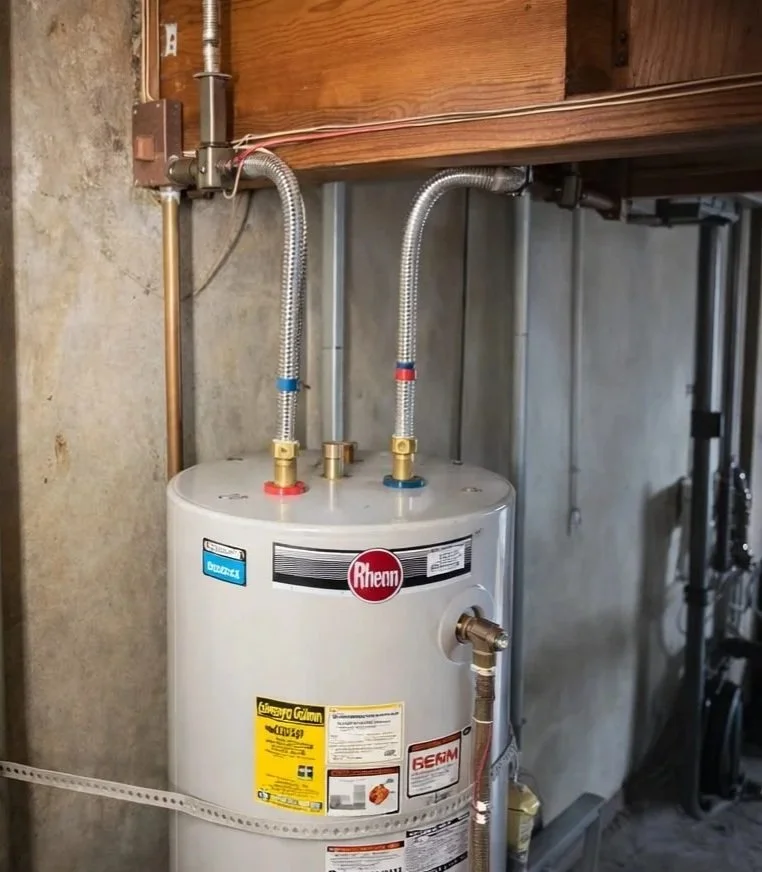
Water Heater Making Noise? What Each Sound Means
The water heater sits quietly in a closet or garage until one day it starts popping, rumbling, or banging like there's something alive in there. The noise is unsettling, but it's also informative — water heaters make different sounds for different reasons, and most of them trace back to one common culprit. Knowing what the sounds mean tells you whether it's a simple maintenance issue or a sign the heater needs attention.
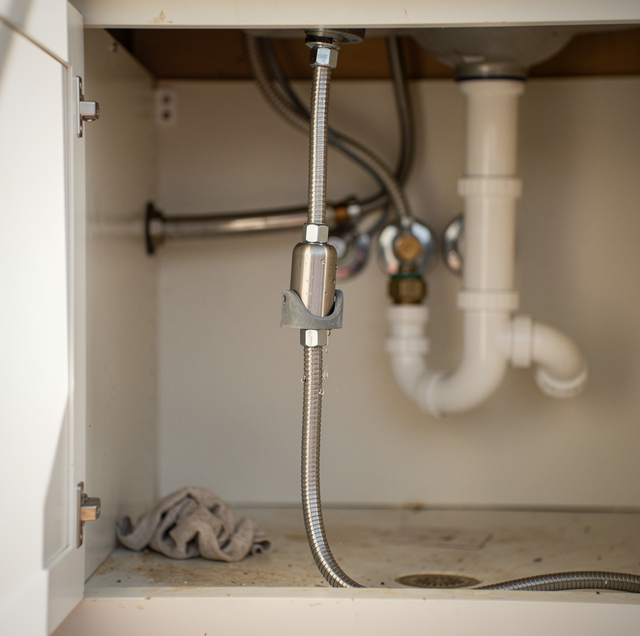
Pull-Down Faucet Won’t Retract? Start Under the Sink
Reach into the cabinet under a kitchen sink with a pull-down faucet, and there is a hose disappearing up through the spout, with a plastic or metal weight clipped onto it partway down.
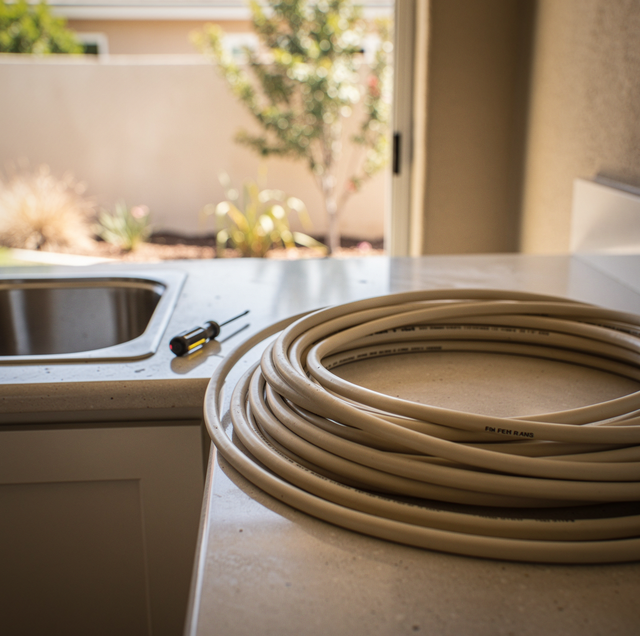
NSF 61 and 372: What the Print Line on Your Pipe Certifies
Somewhere on the water line under your kitchen sink, printed lengthwise along the tube in type about an eighth of an inch tall, is a line of text.
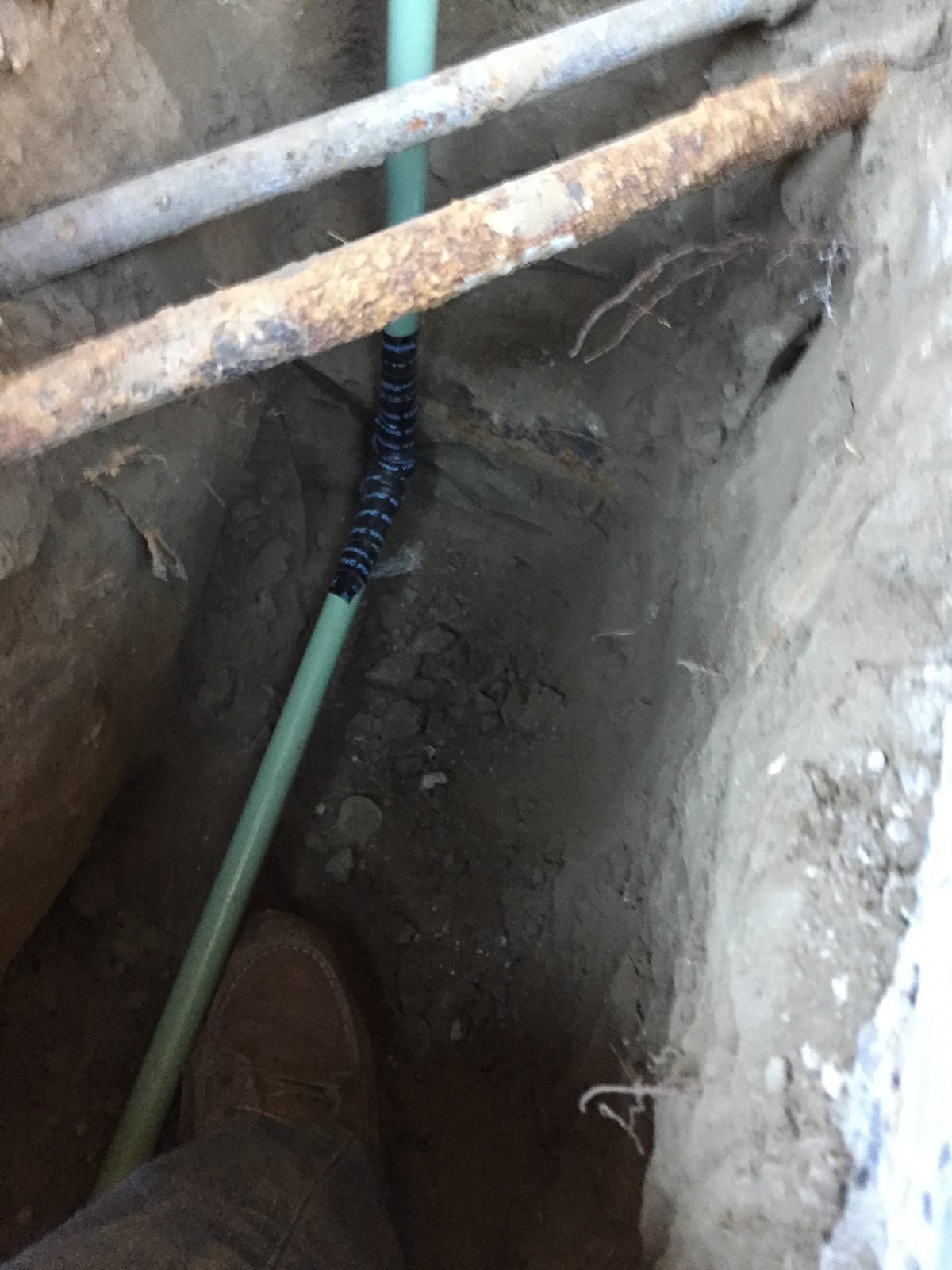
7 Signs You Have a Hidden Water Leak
The most expensive leaks are the ones you can't see. A pipe inside a wall, under the slab, or beneath the floor can leak for weeks or months, quietly running up your bill and damaging the house, all without a visible drip. Because hidden leaks don't announce themselves, you have to know the indirect signs — the clues that water is escaping somewhere you can't see. Catching those early is the difference between a small repair and major water damage.