
7 Signs You Have a Hidden Water Leak
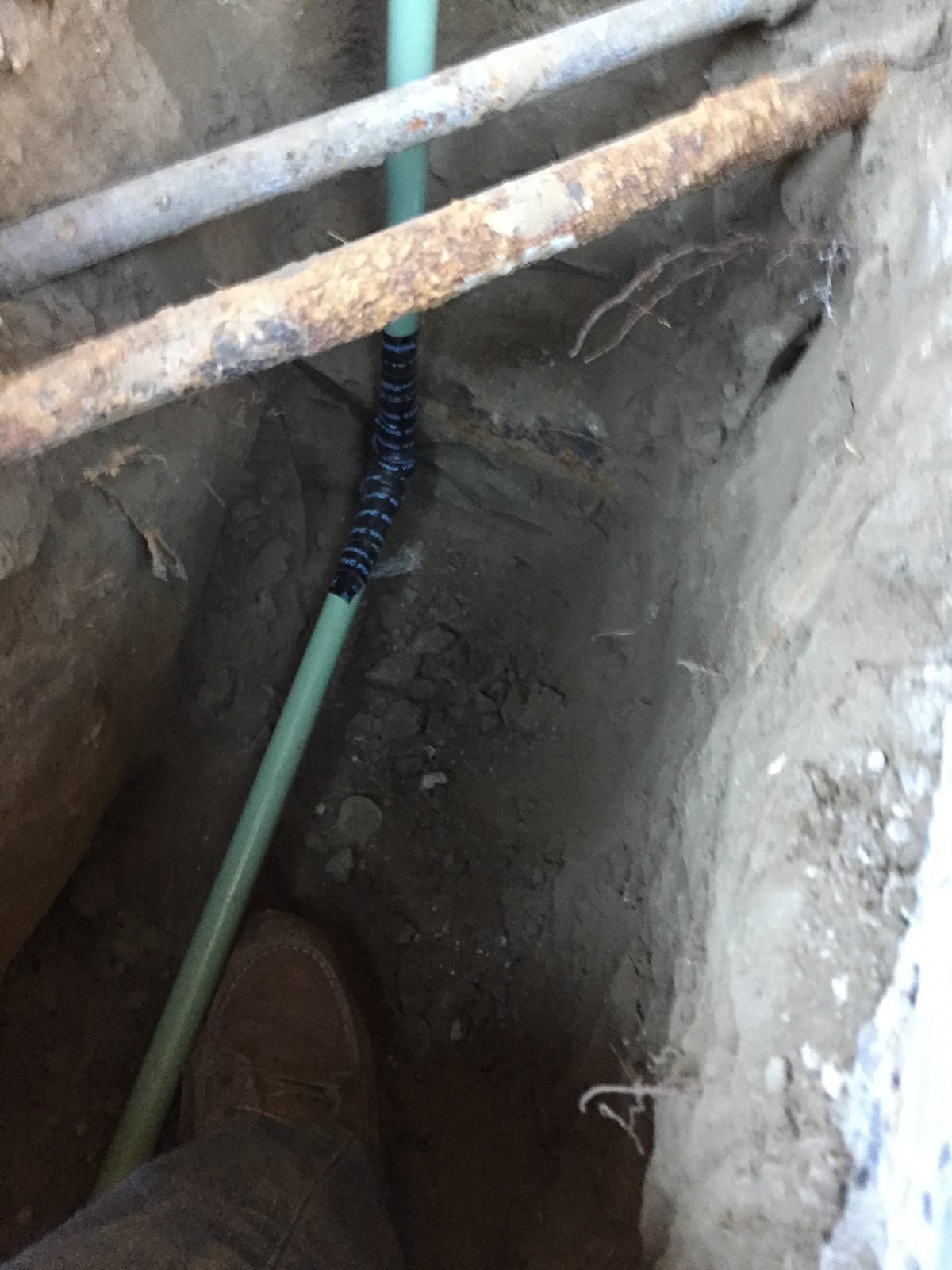
Quick Answer: Signs of a hidden water leak include an unexplained jump in your water bill, the sound of running water when everything's off, a water meter that moves when no water is being used, musty smells, mold or mildew, water stains on walls or ceilings, warm spots on the floor (for a hot-water slab leak), low water pressure, and a constantly running or cycling sound. A simple test: turn off all water and check whether the meter still moves — if it does, water is leaking somewhere. Hidden leaks waste water and cause damage, so catching them early matters.
The most expensive leaks are the ones you can't see. A pipe inside a wall, under the slab, or beneath the floor can leak for weeks or months, quietly running up your bill and damaging the house, all without a visible drip. Because hidden leaks don't announce themselves, you have to know the indirect signs — the clues that water is escaping somewhere you can't see. Catching those early is the difference between a small repair and major water damage.
Hidden Leaks Show Themselves Indirectly
A hidden leak won't give you a puddle to point at. Instead, it shows up in the side effects of water going where it shouldn't: the bill, the sounds, the smells, and the damage it causes along the way. Learning to read those indirect signs is how you catch a leak you can't actually see. The signs below each point to water escaping somewhere in the system, and several of them are things you'd otherwise dismiss, which is exactly why hidden leaks run so long before they're found.
The Signs to Watch For
An Unexplained Jump in Your Water Bill
One of the clearest signs is a water bill that rises with no change in your usage. If you're not using more water but the bill keeps climbing, water is likely leaking somewhere. A sudden or steadily increasing bill is often the first measurable evidence of a hidden leak.
The Sound of Running Water
If you hear running, hissing, or trickling water when no faucets, toilets, or appliances are on, that sound is water moving through the system when it shouldn't be — a strong clue to a leak. A toilet that periodically refills on its own, or a constant faint running sound, points in the same direction.
A Water Meter That Keeps Moving
This is the classic test. Turn off all the water in the house and check your water meter. If it's still moving or ticking up with everything off, water is being used somewhere — which means a leak. It's one of the most reliable ways to confirm a hidden leak exists.
Musty Smells, Mold, or Mildew
Hidden water creates damp conditions that breed mold and mildew, so a persistent musty smell, or visible mold and mildew, can signal a leak behind a wall, under a floor, or in another concealed spot. A damp, earthy odor with no obvious source warrants investigation.
Water Stains and Damage
Stains on walls, ceilings, or floors, peeling paint, bubbling, warping, or discoloration all indicate water reaching surfaces from a hidden leak. These appear as the leaking water spreads, sometimes far from the actual source.
Warm Spots, Low Pressure, and Other Clues
A warm spot on the floor can indicate a hot-water line leaking under a slab. A drop in water pressure can mean water is escaping before it reaches your fixtures. Cracks in the foundation or unexplained damp areas in the yard can also point to leaks. Each is a sign that the water system isn't fully contained.
| Sign | What it suggests |
|---|---|
| Water bill jumps, usage unchanged | Water escaping somewhere |
| Running water sound, everything off | Water moving through the system |
| Meter moves with all water off | Confirmed leak |
| Musty smell, mold, mildew | Hidden dampness from a leak |
| Stains, peeling, warping | Leaking water reaching surfaces |
| Warm floor spot, low pressure | Slab leak or line leaking |
Do the meter test yourself: turn off every water fixture and appliance in the house, then watch the water meter for a few minutes. If it's still moving with everything off, you have a leak somewhere — a simple, free check that turns a vague suspicion into a clear answer.
Why Catching It Early Matters
Hidden leaks are costly in two ways: they waste water continuously, running up your bill, and they cause damage that compounds the longer they go unfound. Water escaping inside walls, under floors, or beneath the slab leads to rot, mold, ruined finishes, and even foundation issues, and the repair grows more expensive the longer the leak runs. Because the water is hidden, the damage often spreads well before anyone notices. That's why the indirect signs matter so much — they're your early warning. When the bill jumps, the meter moves, or musty smells appear, treating it as a possible leak and finding the source promptly prevents a small leak from becoming major water damage.
Frequently Asked Questions
Watch for the indirect signs, since you won't see the leak itself: an unexplained jump in your water bill, the sound of running water when everything's off, a water meter that moves with all water shut off, musty smells or mold, water stains and warping, warm spots on the floor, and low water pressure. The most reliable confirmation is the meter test — turn off all water and see if the meter still moves. If it does, water is leaking somewhere.
Turn off every water-using fixture and appliance in your home, then look at your water meter and watch it for a few minutes. If the meter is still moving or ticking upward with everything off, water is being used somewhere it shouldn't be — meaning you have a leak. It's a simple, free, and reliable way to confirm a hidden leak exists. If the meter moves, the next step is locating the source, which often calls for a plumber.
Yes, and it's one of the most common signs. A hidden leak lets water escape continuously, so your bill rises even though your usage hasn't changed. An unexplained jump or a steadily climbing water bill is often the first measurable evidence of a leak. If your bill goes up with no change in how much water you're using, it's worth doing the meter test and looking for other signs of a hidden leak.
Because hidden water creates the damp conditions that mold and mildew need to grow. A leak behind a wall, under a floor, or in another concealed space keeps the area wet, producing a persistent musty, earthy odor and sometimes visible mold or mildew. If you notice that smell with no obvious source, it can be a sign of hidden moisture from a leak. Tracking down and fixing the leak addresses both the smell and the mold-feeding dampness.
A slab leak is a leak in a water line running beneath the concrete slab foundation of a home. One telltale sign is a warm spot on the floor, which can indicate a hot-water line leaking under the slab. Slab leaks can also cause unexplained high water bills, low pressure, the sound of running water, and foundation or moisture issues. Because they're under the foundation, they need professional detection and repair, and catching them early limits the damage.
Read the Clues Before the Damage Spreads
A hidden water leak rarely shows you a drip — it shows you the side effects: a rising bill, the sound of running water, a moving meter, musty smells, stains, warm floor spots, and low pressure. Each is a clue that water is escaping where you can't see it. The meter test is your simplest confirmation. Because hidden leaks waste water and quietly cause spreading damage, catching them early through these signs is what keeps a small leak from becoming an expensive repair. When the clues appear, find the source promptly.
Suspect a leak you can't see? — Get hidden leaks found and fixed before they cause damage by a family-owned, licensed plumbing team. Ser Plumbing serves Paramount, Bellflower, Lakewood. Call (310) 953-3566.