
Water Heater Making Noise? What Each Sound Means
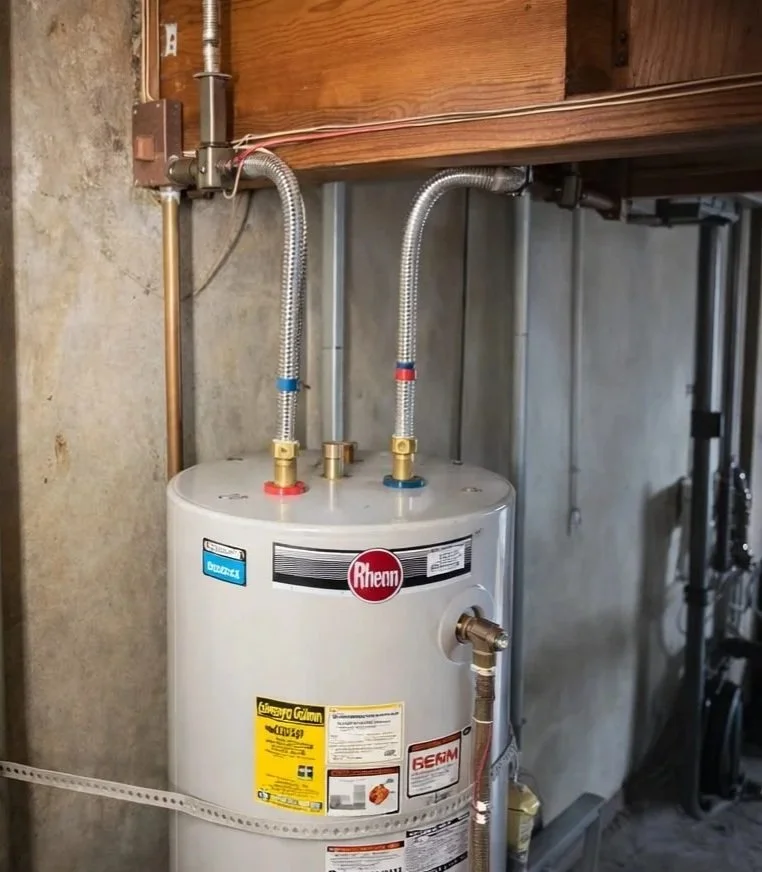
Quick Answer: Most water heater noise comes from sediment — minerals that settle to the bottom of the tank and harden. Popping or rumbling happens as water bubbles up through the sediment layer; banging or knocking can be sediment or pipes; crackling or sizzling may mean sediment on the heating element or condensation; high-pitched whistling can point to a valve or pressure issue. Sediment buildup makes the heater work harder, lose efficiency, and wear out faster. Flushing the tank addresses most sediment noise, while some sounds signal a problem needing a plumber.
The water heater sits quietly in a closet or garage until one day it starts popping, rumbling, or banging like there's something alive in there. The noise is unsettling, but it's also informative — water heaters make different sounds for different reasons, and most of them trace back to one common culprit. Knowing what the sounds mean tells you whether it's a simple maintenance issue or a sign the heater needs attention.
Most Water Heater Noise Comes Down to Sediment
The single most common reason a water heater gets noisy is sediment buildup. Over time, minerals naturally present in water — especially in hard-water areas — settle to the bottom of the tank and harden into a layer. As the heater warms the water, that water gets trapped under and within the sediment and bubbles up through it, creating the popping and rumbling sounds people notice. So, before getting into the specific noises, the key thing to know is that sediment is usually behind them, and it builds up gradually in every tank that isn't flushed.
What the Different Sounds Mean
Popping or Rumbling
This is the classic sediment sound. As the burner heats the tank, water trapped beneath the hardened sediment layer boils and rises through it, producing popping, rumbling, or gurgling sounds. The more sediment, the louder it gets. It's the most common water heater noise and a clear sign that sediment has accumulated.
Banging or Knocking
A banging or knocking sound can come from heavy sediment shifting, or from "water hammer" — pipes banging when water flow stops suddenly. If it's tied to the heater itself, sediment is the likely cause; if it happens when faucets or appliances shut off, it may be a pipe issue.
Crackling or Sizzling
On an electric water heater, crackling or sizzling can mean sediment has built up around the heating element. On a gas unit, a sizzling sound can indicate condensation dripping onto the burner. Either way, it's worth looking into.
High-Pitched Whistling or Screeching
A whistling or screeching sound often indicates a valve issue or restricted water flow, sometimes related to the temperature and pressure relief valve or to a partially closed valve. Because this can involve pressure, it's one to have checked.
| Sound | Likely cause |
|---|---|
| Popping, rumbling, gurgling | Sediment buildup in the tank |
| Banging, knocking | Heavy sediment or water hammer in pipes |
| Crackling, sizzling | Sediment on element or condensation |
| High-pitched whistling | Valve or pressure/flow issue |
Why Sediment Noise Is Worth Addressing
The popping of sediment isn't just annoying — it signals the heater is working harder than it should. The sediment layer acts as a barrier between the burner and the water, so the heater has to run longer and hotter to heat through it, wasting energy and raising the bill. The trapped heat also stresses the tank, contributing to wear and a shorter lifespan, and heavy sediment can affect performance and even lead to leaks over time. That's why a noisy, sediment-filled heater is a maintenance flag.
Flushing the tank to remove the sediment is the standard remedy for sediment noise and a key part of water heater maintenance, especially in hard-water areas where sediment builds faster. Some noises, though — like whistling that points to a valve or pressure issue, or signs of a leak — indicate a problem that needs a plumber to diagnose and fix rather than a simple flush.
If your water heater makes noise along with signs of trouble — leaking water, no hot water, a rotten-egg smell, or anything involving the pressure relief valve — don't ignore it. Those point to problems beyond routine sediment, and pressure or gas-related issues in particular should be handled by a professional promptly.
Frequently Asked Questions
Almost always sediment. Minerals in the water settle to the bottom of the tank and harden into a layer over time, and as the heater warms the water, water trapped beneath that sediment boils and bubbles up through it, creating the popping and rumbling sound. The more sediment, the louder it gets. It's the most common water heater noise. Flushing the tank to remove the sediment is the usual fix, and it's especially important in hard-water areas.
Most sediment noise — popping and rumbling — isn't immediately dangerous, but it signals the heater is working harder, wasting energy, and wearing faster, so it shouldn't be ignored. Some noises are more concerning: whistling can point to a valve or pressure issue, and noise alongside leaking, no hot water, or a gas smell indicates a real problem. Those warrant prompt professional attention. Routine sediment noise calls for a flush; warning signs call for a plumber.
Usually, yes, when the noise is from sediment. Flushing the tank removes the hardened mineral layer at the bottom that causes popping and rumbling, thereby quieting the heater and restoring efficiency. Regular flushing is a key maintenance step, especially in hard-water areas where sediment builds up faster. If noise persists after a flush, or the sound points to a valve, pressure, or leak issue rather than sediment, a plumber should look at it.
Because water naturally contains dissolved minerals, and in the tank, those minerals settle to the bottom and harden over time. Hard water — water with high mineral content — builds sediment faster, so homes in hard-water areas see more of it. The sediment accumulates gradually in any tank that isn't periodically flushed. Over time, it insulates the water from the burner, makes the heater work harder, and causes the noises and efficiency loss that signal it's time for maintenance.
Yes. When sediment builds up, it forms a layer between the burner and the water, so the heater has to run longer and hotter to heat through it. That extra work wastes energy and raises your bill, on top of stressing the tank and shortening its life. So the popping noise of a sediment-filled heater is also a sign it's running less efficiently. Flushing the sediment restores efficiency and quiets the noise.
Listen to What the Heater Is Telling You
Water heater noise is mostly the sound of sediment — minerals hardened in the bottom of the tank, with water bubbling up through them as it heats. Popping and rumbling mean sediment; banging, crackling, and whistling point to sediment, condensation, pipes, or valves. Beyond the annoyance, sediment makes the heater work harder, costs you efficiency, and shortens its life, so the popping you hear is really the sound of money and equipment life slipping away. Flushing the tank handles most sediment noise, while sounds that signal a valve, pressure, or leak problem call for a plumber. A heater that has been noisy for a long time may already have heavy sediment and more wear, so it's worth having it looked at sooner rather than later. Either way, a noisy heater is worth listening to, because it's one of the few appliances that tells you out loud when it needs maintenance. Catching the noise early and flushing the tank before sediment hardens into a thick layer keeps the heater efficient and helps it reach its full lifespan, instead of failing years sooner than it should.
Water heater popping, rumbling, or whistling? — Get it flushed or diagnosed by a family-owned, licensed plumbing team. Ser Plumbing serves Paramount, Bellflower, Lakewood. Call (310) 953-3566.