
Why Your Drain Keeps Clogging No Matter What
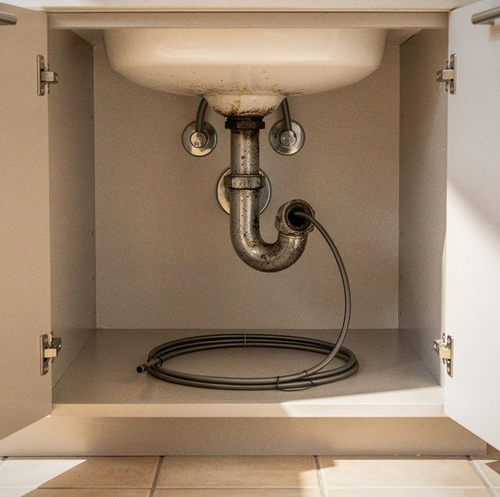
Quick Answer: A drain that keeps clogging usually means you're clearing the surface symptom but not the real blockage deeper in the line. Common repeat causes are grease and soap buildup coating the pipe walls, hair and debris collecting at the same spot, a partial clog further down the line that keeps catching material, tree roots intruding into the main sewer line, or a venting or slope problem. Plunging or store-bought drain cleaner clears the top of the clog but leaves the underlying buildup, so it returns. A proper cleaning of the line addresses the cause.
You clear it, it drains, and a week later, it's slow again. A drain that keeps clogging no matter what you do is one of the most common and most frustrating plumbing problems, and the reason it keeps coming back is almost always the same: the quick fixes clear the symptom but leave the real blockage in place. Understanding what's actually happening in the pipe explains why the clog returns and what it takes to make it stop.
A Recurring Clog Means the Real Blockage Is Still There
When a drain clogs once, clears, and clogs again, it's telling you that whatever you did removed only part of the problem. A plunger or a bottle of drain cleaner can punch a hole through the top of a clog enough to get water flowing, but the buildup coating the pipe or the obstruction deeper in the line is still there, so it catches debris and closes up again. The recurring clog is the same blockage reasserting itself. That's why the fix isn't another round of the same quick remedy; it's clearing the line properly so the underlying buildup or obstruction is actually removed.
The Common Repeat Causes
Grease and Soap Buildup
In kitchen drains, especially, grease is the usual culprit. It goes down as a hot liquid, then cools and hardens against the pipe walls, building up a layer that narrows the pipe and traps everything that follows. Soap scum does the same in bathroom lines. Each clearing that doesn't remove this coating leaves it to keep catching debris, so the clog returns.
Hair and Debris
In bathroom sinks, showers, and tubs, hair binds with soap and grime, collecting in the same spots over and over. Even after you clear it, more accumulates in the same place, which is why these drains seem to clog on a schedule.
A Partial Clog Deeper in the Line
Sometimes the visible slow drain is fed by a partial blockage further down the pipe. Clearing near the opening helps briefly, but the deeper obstruction keeps catching material and backing things up. A clog that returns quickly often points to something deeper than the surface.
Tree Roots in the Sewer Line
For drains that back up repeatedly throughout the house, roots intruding into the main sewer line are a frequent cause. Roots seek moisture, find their way into pipe joints and cracks, and grow into a mesh that catches debris and blocks flow. This causes recurring, whole-house backups that no amount of plunging a single fixture will fix.
Venting or Slope Problems
Drains rely on proper venting to flow and on the right slope to carry waste away. A venting issue or a pipe that doesn't drain at the correct grade can cause sluggish, repeatedly clogging drains, since waste doesn't clear the line the way it should.
| Repeat cause | Where it shows up | Why quick fixes fail |
|---|---|---|
| Grease/soap buildup | Kitchen, bathroom drains | Coating stays, keeps catching debris |
| Hair and debris | Showers, tubs, sinks | Re-accumulates in the same spot |
| Partial clog deeper in line | Any fixture | Deeper obstruction still catches material |
| Tree roots in sewer line | Whole-house backups | Root mass remains in the main line |
| Venting/slope problems | Sluggish drains | Waste doesn't clear the line properly |
Go easy on chemical drain cleaners. Repeated use can damage pipes over time, they often don't remove the underlying buildup, and they leave caustic chemicals sitting in a still-clogged line. If a drain keeps clogging despite them, the cause is something they can't fix, and it's time for a proper line cleaning rather than another dose.
Why the Fix Is Clearing the Line, Not the Symptom
Because a recurring clog is the same blockage returning, the lasting fix is removing the actual buildup or obstruction from the line rather than punching through the top of it. Professional drain clearing — mechanically removing the buildup, clearing roots, or hydro jetting the grease and scale off the pipe walls — addresses what the plunger and the chemicals leave behind. For root intrusion, the roots in the sewer line have to be cleared. For chronic grease or hair buildup, the pipe walls need to be cleaned, not just opened. And if the cause is a deeper issue like a venting or slope problem or a damaged line, that needs diagnosing and correcting. The difference between a clog that keeps coming back and one that stays gone is whether the real cause in the line was removed.
Frequently Asked Questions
Because clearing it removed only the surface of the problem. A plunger or drain cleaner can open enough of a path to restore flow, but the buildup coating the pipe or an obstruction deeper in the line is still there, so it catches debris and closes up again. The recurring clog is the same blockage reasserting itself. Making it stop requires clearing the actual buildup or obstruction from the line, not just punching through the top of it.
They carry downsides. Repeated use of chemical drain cleaners can damage pipes over time; they frequently fail to remove the underlying buildup that causes recurring clogs, and they leave caustic chemicals sitting in a line that's still partly blocked. If a drain keeps clogging despite using them, that's a sign the cause is something they can't address. A proper mechanical cleaning of the line is safer and more effective for a clog that keeps returning.
When drains back up throughout the house rather than at a single fixture, the problem is usually in the main sewer line — often tree roots that have intruded into the line and formed a mass that catches debris and blocks flow. A blockage or damage in the main line affects everything draining into it. This kind of recurring, whole-house backup won't be fixed by clearing one fixture; the main line itself needs to be cleared and assessed.
Grease is usually the reason. In the kitchen, grease and oils go down as hot liquid, then cool and harden against the pipe walls, building a layer that narrows the pipe and traps food and debris. Soap and food particles add to it. Because this coating stays in place after a quick clearing, the kitchen drain tends to clog repeatedly. Cleaning the grease buildup off the pipe walls, rather than just opening the clog, is what stops the cycle.
When a drain keeps clogging despite plunging and basic clearing, or when multiple drains are slow or backing up, it's time for a professional. Repeated clogs mean the real cause — deep buildup, roots, a partial blockage, or a venting or slope issue — isn't being removed by surface fixes. A plumber can clear the line properly and diagnose whether something like root intrusion or a damaged pipe is behind it, which stops the cycle rather than postponing it.
Clear the Cause, Not Just the Clog
A drain that keeps clogging is the same blockage coming back because quick fixes clear the symptom and leave the real cause — grease and soap coating the pipe, recurring hair buildup, a deeper partial clog, tree roots in the sewer line, or a venting or slope problem. Plunging and chemicals open the top of the clog but not the underlying buildup, so it returns. The way to stop the cycle is to properly clean the line and remove what's actually causing it. Fix the cause, and the drain stays clear.
Tired of the same drain clogging over and over? — Get the line properly cleared and the real cause diagnosed by a family-owned plumbing team. Ser Plumbing clears drains across the area, from drain cleaning in Bellflower to Compton. Call (310) 953-3566.