
T&P Valve: The Part Keeping Your Water Heater From Bursting
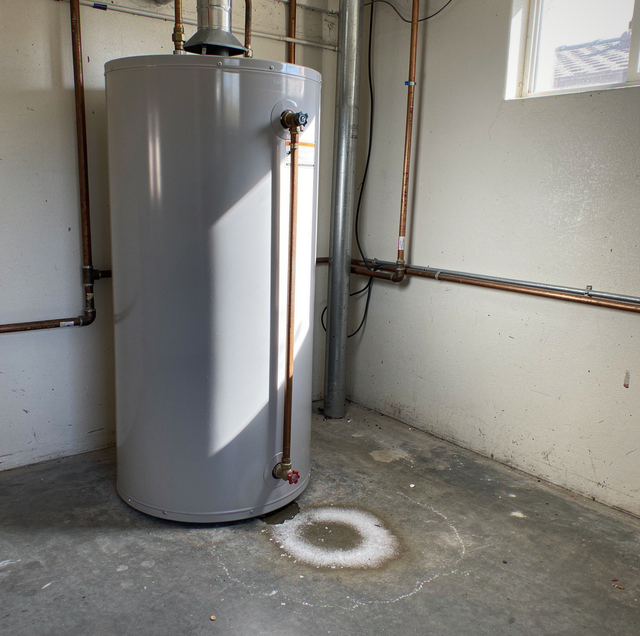
Quick Answer: The temperature and pressure relief valve, usually called the T&P valve, is the safety device that keeps a tank water heater from bursting. If the water inside gets too hot or the pressure climbs too high, the valve opens and dumps water to relieve the buildup. It should never be capped, plugged, or blocked in any way.
Of every part on a tank water heater, the T&P valve is the one you cannot afford to ignore. It sits quietly for years doing nothing visible, which is exactly the problem. Most people never think about it until it starts dripping, and by then the question is whether the valve is failing or warning you about something worse upstream. Understanding what it does, and why it matters so much, is the difference between a routine repair and a seriously dangerous situation.
Why This One Valve Matters More Than Any Other
A water heater is a sealed steel tank holding 40 to 80 gallons of water, heated by a gas burner or electric elements. When water heats, it expands, and the pressure inside the tank rises. Under normal conditions, the incoming supply line and household plumbing absorb that small increase without any trouble. But if the thermostat sticks, the heating element runs away, or pressure has nowhere to go, that sealed tank can build force well beyond what the steel was designed to hold.
Superheated water under pressure does not simply leak when a tank fails. It flashes to steam the instant the tank ruptures, and the energy released can send a water heater through a ceiling or across a garage. This is not a theoretical risk. It is the reason the temperature and pressure relief valve exists and the reason plumbing standards have required one on every tank heater for decades.
The T&P valve is the release point for all of that. It is a spring-loaded valve threaded into the top or upper side of the tank, factory-set to open before conditions ever reach the danger zone. When it does its job, you get a puddle on the floor instead of a catastrophe. That trade is why no other component on the unit deserves more respect.
How the T&P Valve Actually Works
Inside the valve are two independent sensing mechanisms, and either one can trigger it. The pressure element is a spring holding a disc closed against the tank pressure. The temperature element is a probe that extends down into the top of the tank where the water is hottest.
Most residential valves are set to open at 150 psi of pressure or 210 degrees Fahrenheit, whichever it hits first. Those two thresholds are stamped or printed right on the valve body. When either limit is reached, the spring gives way, the valve opens, and water rushes out to bring the tank back under control. Once conditions drop below the setpoint, a healthy valve reseats itself and stops flowing.
The pressure and temperature settings are deliberately below the point where the tank itself is at risk. Water does not turn to steam at 210 degrees while it is under pressure, so the valve vents hot liquid first and buys margin before anything approaches a boiling, flashing failure. That built-in cushion is what makes the device a safety valve rather than just an overflow.
The Discharge Tube Is Part of the Safety System
The valve alone is only half the design. Threaded onto its outlet is a discharge tube, sometimes called a drain line, and it has strict rules for good reason. The water this valve releases can be near scalding, and where that water goes matters as much as the valve opening at all.
The tube must run downward and end near the floor: It should terminate somewhere between roughly six inches and a couple of feet above the floor or a drain, pointing down. That way, if the valve dumps hot water, it flows safely to the ground rather than spraying outward toward anyone standing nearby.
The end must stay open and unthreaded: A discharge tube should never have a cap, a threaded fitting, or a valve on its end. There is a specific reason it is left unthreaded: it prevents anyone from ever screwing a plug onto it. A capped discharge line defeats the entire safety function, because the valve can open all it wants but the pressure has nowhere to escape.
No reductions, no long horizontal runs, no uphill sections: The tube should be the full diameter of the valve outlet and should not trap water or restrict flow. A restricted line can keep the valve from relieving pressure fast enough during an emergency.
What a Dripping Valve Is Telling You
A T&P valve that weeps or drips is not something to wipe up and forget. It is a signal, and it points to one of two things.
The first possibility is that household water pressure or thermal expansion is pushing the tank past the valve's setpoint. On a modern plumbing system with a check valve or a pressure reducing valve at the meter, the tank becomes a closed system. Heated water cannot push back toward the street, so every heating cycle raises the internal pressure until the T&P valve is forced to relieve it. The fix here is not the valve. It is usually a thermal expansion tank, a small tank that gives the expanding water somewhere to go. A failing pressure reducing valve letting street pressure spike too high can do the same.
The second possibility is that the valve itself has worn out. Mineral scale, corrosion, and years of sitting under pressure can leave a valve unable to seat cleanly, so it dribbles even when pressure and temperature are normal. In that case, the valve needs replacing, not patching.
Telling those two apart is the point. Replacing a dripping valve without checking the pressure behind it just gives you a new valve that drips again in a month, because the real problem was never touched.
A Valve That Never Opens Can Be Worse Than One That Drips
A silent valve feels reassuring, but silence can mean the valve has seized shut. Scale and corrosion inside the body can effectively weld the mechanism in place, so that when the day comes that the tank truly needs to relieve pressure, the one device meant to save it does nothing. A valve stuck closed on a tank building pressure is the exact scenario the whole system exists to prevent.
A seized valve is a smoke detector with a dead battery: it looks like protection, it occupies the spot where protection should be, but it will not act when everything depends on it. That is why the valve is meant to be tested, not just trusted.
Testing it is simple: With the valve's own lever, lift it partway so a burst of water flows out through the discharge tube, then let the lever snap back. Water should flow freely while the lever is up and stop cleanly when you release it. If nothing comes out, the valve is likely seized and needs replacement. If it will not stop dripping after the test, it did not reseat and also needs to be replaced.
The water that comes out during a test is as hot as the tank, often near scalding. Stand clear of the discharge point, keep hands and feet out of the way, and never test with anyone leaning over the outlet.
Where Excess Pressure Comes From
Understanding the causes of high pressure helps explain why a valve keeps relieving. A few common sources account for most cases.
Thermal expansion on a closed system is the leading one. As covered above, once a check valve or pressure reducing valve seals the house off from the street, heated water has nowhere to expand, and pressure climbs with every cycle. An expansion tank is the intended cure.
A thermostat set too high pushes water temperature toward the 210-degree trigger. Most homes are comfortable and safer with the tank set around 120 degrees, which also reduces scald risk at the faucet and slows scale buildup.
A failing pressure reducing valve at the water meter can let incoming street pressure climb far above the 60 to 80 psi range a house should see, driving the whole system, and the water heater with it, past safe limits.
Never Cap It, and Know When to Call
The single most important rule with a T&P valve is the simplest: never cap, plug, or block it, and never cap or block its discharge tube. People sometimes do this to stop a drip they find annoying. Silencing the drip that way removes the only safety release the tank has, which turns a nuisance into a genuine hazard. If it is dripping, find out why and fix the cause; do not seal the symptom.
Some of this you can handle yourself. Testing the lever, checking the discharge tube for a downward run and an open end, and reading the temperature and pressure ratings on the valve are all reasonable homeowner steps. Replacing the valve itself is a common repair, but it is not always a clean one.
A valve on an old or heavily corroded tank is a plumber's call, because the threads can seize and cracking a rusted fitting can turn a simple swap into a leaking tank. A valve that keeps dripping after replacement points to a pressure or expansion problem that needs diagnosis. And a valve that fails to reseat, or one on a tank showing rust and age, should be looked at promptly rather than left to chance. When the safety device is the thing in question, a wrong guess is not worth the risk.
Frequently Asked Questions
A common maintenance interval is once a year, done at the same time you might flush sediment from the tank. Some manufacturers suggest testing every six months in areas with heavy mineral content, since scale accelerates seizing. If a valve has not been tested in several years, be aware that the test itself can dislodge scale and cause it to drip afterward, which sometimes reveals a valve that was already near the end of its life.
No. A replacement must match the tank's rating, and the valve's relief setting has to be equal to or below the tank's maximum working pressure, which is stamped on the heater's data plate, usually 150 psi. Just as important, the temperature probe length must match the tank so it actually reaches the hot water at the top; a valve with a probe that's too short can read cooler water and fail to open in time.
That timing points almost certainly to thermal expansion rather than a bad valve. Pressure peaks at the end of a heating cycle as the water reaches its hottest, so a closed system with no expansion tank will drip right after each cycle and go quiet between them. A drip tied to heating cycles is the classic fingerprint of a missing or waterlogged expansion tank.
Yes, that is its core purpose. A tank explosion happens when superheated water flashes to steam after a rupture, and the valve prevents it by relieving heat and pressure long before the tank reaches that point. It is worth knowing that the valve only works if it can actually open, which is why a seized valve or a capped discharge line removes the exact protection people assume is there.
When no drain is nearby, the tube should still run down to within a short distance of the floor so any hot discharge lands low and spreads out rather than spraying. In a garage or utility space, it can terminate over the slab; the priority is a downward-facing, open end near the floor. What it must never do is run uphill or end high, since that traps water in the line and can hide a slow leak.
An occasional bead of moisture right after a heavy hot-water draw can happen as the system settles, but standing water, a steady drip, or mineral crust building around the outlet is not normal and should be diagnosed. Crusty white or greenish deposits at the valve are a sign it has been weeping long enough to leave mineral residue, which usually means either ongoing pressure trouble or a valve that no longer seats.
Have a dripping or seized relief valve checked before it becomes an emergency — a quick inspection protects your home and everyone in it. Ser Plumbing repairs water heaters across the area, from water heater repair in Downey to Long Beach. Call (310) 953-3566.
