Home/Services/Water Heater Flush & Tune-Up
Water Heater Flush & Tune-Up

Water Heater Flush & Tune-Up in Paramount, CA

Annual Sediment Flush | Anode Rod Check | Safety Inspection | CSLB #1051553 | Se Habla Español

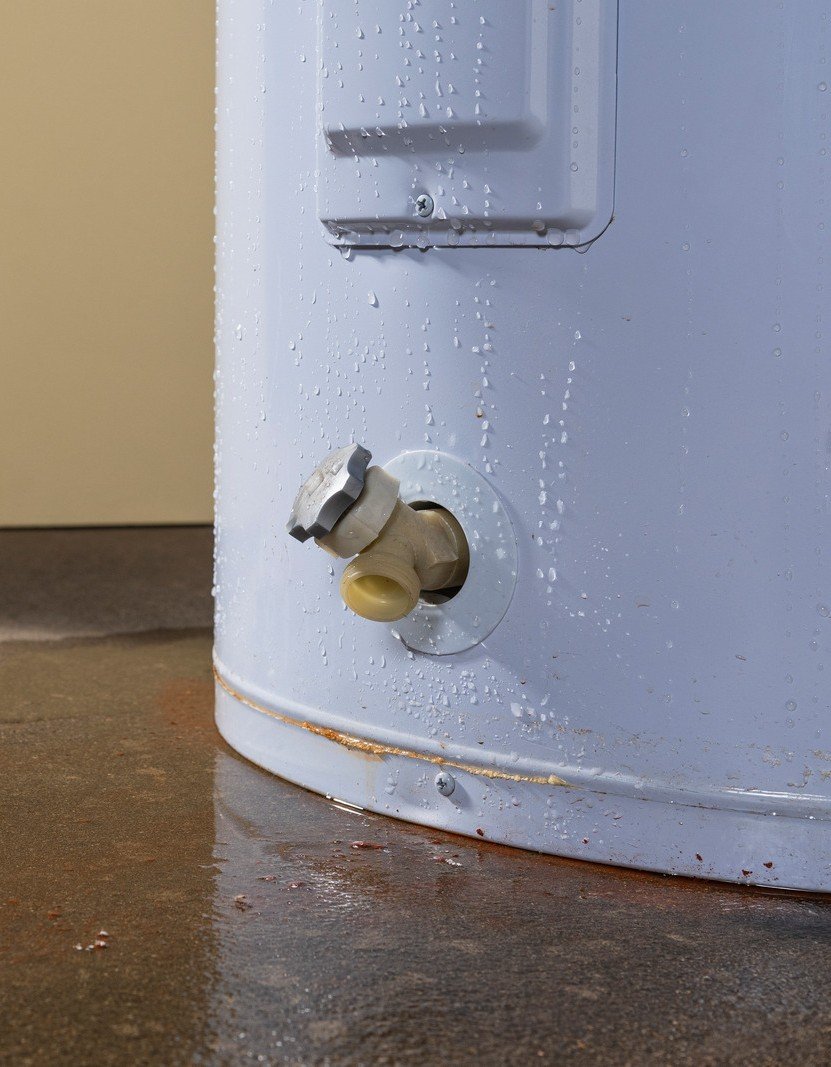
A tank water heater in this part of Los Angeles County is working against the water it holds. Mineral drops out of solution the moment water is heated, settles on the tank bottom, and stays there. A yearly flush and tune-up take that layer out before it turns into the popping noise, the shrinking hot shower, and the gas bill nobody can explain.

Ser Plumbing services tank water heaters across Paramount and SE LA County: sediment flush, anode rod inspection, temperature and pressure relief valve test, thermostat setting, and a look at the expansion tank and connections while we are there. On a tank that has been maintained, the visit is usually short.

On a tank that has not been touched in a decade, we will tell you the truth before we open a valve. Sometimes the honest answer is that a flush is not the service that tank needs.
CSLB License #1051553 Licensed, Bonded & Insured 5.0 Google Rated Written Prices Before Any Work Se Habla Español
Water heater flush and tune-up in Paramount, CA by Ser Plumbing Excellent on Google 5.0 Verified customer reviews Anode Rod Check The rod, not the flush, indicates how many years the tank has left.
$89 Service call,
residential
$125 Diagnostics, if the visit turns up a fault
Yearly Annual Sediment Flush
15 No travel fee within 15 miles of Paramount
5.0 Google Rated
The problem

Why People Call

The tank pops, rumbles, or crackles

That is water flashing to steam underneath a layer of hardened mineral on the tank bottom. The burner heats the sediment before it heats the water, which is why the noise comes with a higher gas bill and slower recovery.

Hot water runs out sooner than it used to

Sediment takes up volume. A fifty-gallon tank carrying a thick bed of mineral is not a fifty-gallon tank anymore. It is also worth ruling out a cracked dip tube, which dumps incoming cold at the top and produces the same complaint from a different cause.

Nobody has ever flushed it

People ask this sheepishly, and they should not. The answer turns on the tank's age and on what the drain valve does when it opens, and both get explained before anything starts.

The hot water runs rusty, or smells of sulfur

Two different findings that get confused. Rust on the hot side and not the cold points at the tank, often an anode rod near the end of its working life. A rotten-egg smell usually means the opposite: a healthy magnesium rod reacting with bacteria in the tank, which is solved with a different rod alloy and a sanitize, not a replacement.

Local conditions

Why Tanks Age Faster Here

Hard water mineral scale on a Southeast LA County fixture
A heavy load of dissolved minerals

Our supply carries a heavy load of dissolved minerals, and none of it settles in your cold pipes. Calcium comes out of solution when water is heated, so the bottom of the water heater is where an entire household's hardness collects year after year.

Where these tanks live

The second local factor is where these tanks live. Most homes here put the heater in the garage or an exterior closet, which is good for venting and bad for anode rod access: a full-length rod needs clear headroom above the tank roughly equal to its own length, and plenty of garage installs do not have it. That is not a reason to skip the check. It is a reason to bring a segmented rod, which is what we do rather than telling you it cannot be done.

Services

What's Covered

01

Full sediment flush

Tank isolated, drained through the drain valve, and flushed until the water runs clear rather than until the clock says stop. We show you what came out, because that is the part that tells you whether the interval was right.

02

Anode rod inspection

The rod is a sacrificial piece of magnesium or aluminum that corrodes so the steel tank does not. We pull it, show you what is left, and say plainly whether replacing it buys years or whether the tank is already past the point where a new rod helps.

03

Temperature and pressure relief valve test and thermostat check

The relief valve gets lifted and confirmed to discharge and reseat, and its discharge line checked: full size, running downward, no valve, no threaded end, terminating where it can be seen. On a valve that has never been operated, we first say that lifting it can leave it weeping, just as an untouched drain valve can. Thermostat set to a sensible operating temperature, because running a tank hotter than it needs accelerates the scale we just removed.

04

Expansion tank, connections, and venting look-over ↗

Bladder charge against your house pressure, flex connectors, gas connection, seismic strapping, and combustion clearance. None of this takes long, and all of it is cheaper to find now.

Quoted in writing

Pricing

Item How it works
Service call, residential $89
Water heater flush and tune-up Quoted before we start; ask when you schedule
Anode rod replacement Quoted on site once we see what is left of the rod and what access allows
Diagnostics, if the visit turns up a fault From $125, credited toward approved repairs when applicable

Cost drivers: tank size, years since the last flush, whether the drain valve cooperates, whether the rod comes out or needs a segmented replacement, and how much clearance there is around the tank.

Standard labor discounts apply (military and first responders 10%, seniors and teachers 5%, first-time customers 10% on qualifying repairs).

The visit

How a Tune-Up Visit Works

01

On the phone, we ask the tank's age and whether it has ever been flushed. Those two answers change what we bring and what we tell you to expect.

02

On arrival, we look at the tank, the connections, the venting, and the drain valve before touching anything.

03

If the tank is old and never flushed, you get the honest conversation first, including the risk that a stubborn drain valve turns a maintenance call into a bigger one. Your call, no pressure.

04

Flush: gas or power off, tank isolated, drained and flushed until it runs clear, area protected the whole time.

05

Anode rod pulled and shown to you. Relief valve tested. Thermostat set. Expansion tank checked.

06

Refill, purge air, relight or restore power, verify operation, and leave you with a plain summary of what we saw and when to book the next one.

Why Ser Plumbing

Why Ser Plumbing for Water Heater Maintenance

01

We check the anode rod, not just the drain valve

Plenty of flush visits are a hose and twenty minutes. The rod decides how long the tank lives, and pulling it is what separates real maintenance from a rinse.

02

We tell you when a flush is the wrong service

On a twelve-year-old tank that has never been flushed, disturbing a hardened sediment bed can compromise an old drain valve. We say that before we start rather than after, and we would rather you heard it from us than discovered it.

03

No maintenance plan to sign

We do not sell a membership. Book the tune-up when it is due, pay for the visit, and hear a straight answer on when the next one should be.

04

You see what came out

The sediment in the bucket is the whole argument for doing this yearly, and it is more persuasive than anything we could write here.
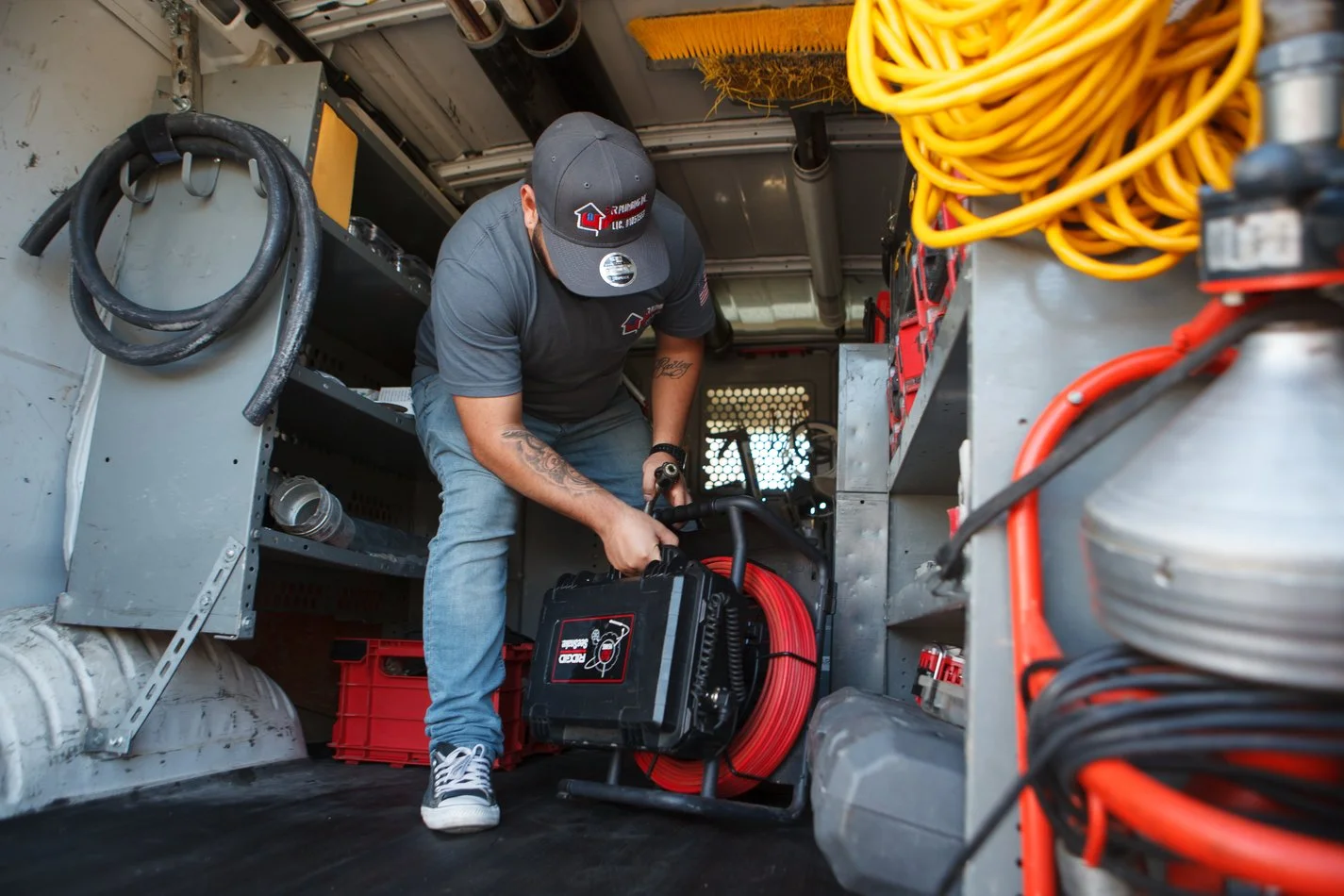
Water heater anode rod inspection in SE LA County
Expertise

The Anode Rod Is the Point of the Visit

A glass-lined steel tank full of hot mineral water is an electrochemical problem waiting to happen, and the manufacturers solved it with a piece of metal that is deliberately more prone to corrosion than the tank. The anode rod gives itself up so the steel does not. Every year it gets thinner, and when it is consumed down to the bare steel core wire, the corrosion has nothing left to eat except your tank. From that moment, the clock is running, and no amount of flushing slows it down.

That is why a flush without a rod inspection is only half a service. Flushing removes what has already settled and protects efficiency and recovery. The rod check is the only part of the visit that can turn into a decision. The rod, not the flush, indicates how many years the tank has left. A visit that never pulls it is twenty minutes with a garden hose.

Reviews

What Customers Around Paramount Say About Our Water Heater Work

Our verified Google reviews load below in real time, unedited.

Leave Us a Google Review ↗
FAQ

Water Heater Flush FAQs

Ask us directly ↗
Ser Plumbing checking a fixture on a Southeast LA County service call You see what came out We look at the tank first and give you the choice with the risk stated plainly.
What is the right interval for our water?
Yearly. That is not a marketing number; it is the pace at which our mineral load builds on a tank bottom, and it is why the habit matters more here than it does in softer parts of the country.
Is three years too late?
No. Three years of sediment still comes out. Twelve years is the harder conversation because by then a lot of it has cemented, and the flush moves only the loose material.
Should I flush a ten-year-old tank that has never been flushed?
Maybe, and it is a genuine maybe. There is a real risk that opening a drain valve that has never been used on a tank full of hardened sediment will result in a valve that will not reseat. We look at the tank first and give you the choice with the risk stated plainly.
Can I do it myself?
You can, and plenty of people do. What you cannot do with a hose alone is inspect the anode rod, test the relief valve properly, or check the expansion tank charge, and those are the parts that change outcomes.
What happens if I never flush it?
Efficiency drops first, then recovery, then the noise starts. The tank does not fail because of sediment alone, but sediment shortens the life of everything around it and makes the burner work through a layer of rock.
Does a flush remove all the sediment?
Loose sediment, yes. Mineral that has cemented into a crust does not rinse out, which is exactly why the yearly habit is worth more than a heroic effort in year ten.
Will this fix my rusty hot water?
It may not, and that is useful information. Rust on the hot side alone usually means the anode rod is spent, so the tune-up is the visit that finds the cause even when the flush does not solve it.
Service area

Water Heater Maintenance Across Paramount, Downey, Bellflower, Lakewood, Long Beach & SE LA County

Annual tank flushes, anode rod service, and safety checks from our Paramount shop across the core service area: Paramount, Bellflower, Downey, Lynwood, South Gate, Compton, Bell Gardens, Bell, Walnut Park, Santa Fe Springs, Lakewood, Norwalk, Long Beach, Maywood, Artesia, Cerritos, and East Rancho Dominguez, plus Huntington Park, Cudahy, Pico Rivera, Whittier, Montebello, Signal Hill, Anaheim, and Garden Grove. No travel fee within 15 miles of Paramount.

Full coverage details →
Get in touch

An hour a year is the least a tank water heater ever asks of you.

Book it: (310) 953-3566.

Company Ser Plumbing Inc
Address 7530 Alondra Blvd Suite F, Paramount, CA 90723
Phone (310) 953-3566
Web serplumbinginc.com
License CSLB #1051553 · Licensed, Bonded & Insured · Se habla español
Call (310) 953-3566 ↗
Schedule My Water Heater Tune-Up Written Prices Before Any Work