
Turning Up the Heat on Home Comfort
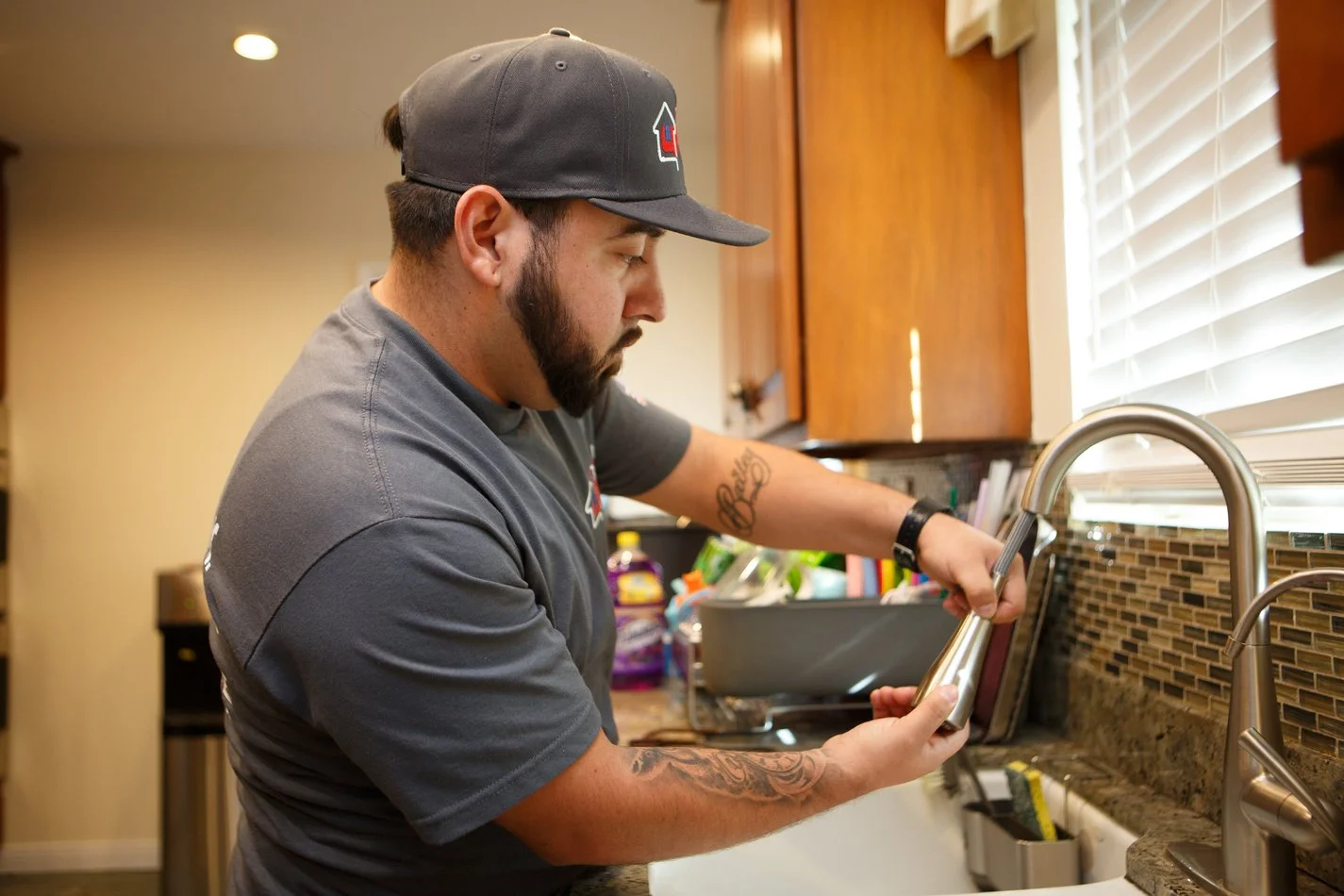
Few things make a house feel more like home than a steady stream of hot water. Morning showers, dishwashing, laundry, and the occasional therapeutic soak rely on one unsung hero—the water heater. And when it quits, it doesn’t whisper. It usually screams with a cold blast at the worst possible moment.
A professionally handled water heater installation turns that daily dependence into peace of mind. It’s not just about swapping out a tank. It’s about evaluating a household’s needs, energy usage, layout, and long-term goals to pick the system that delivers reliable hot water without stress or skyrocketing utility bills.
The Right System for the Right Space
Not all homes need the same kind of water heater. Some homes are well-suited for traditional tank models, while others benefit from tankless systems that heat on demand. Hybrid systems, solar-assisted units, and even point-of-use models offer more options than ever before. The key is choosing the right fit based on individual habits and space.
A professional water heater installation expert doesn’t play guessing games. They calculate a home’s flow rate, peak usage times, and available power or gas capacity to select the model that won’t leave homeowners with lukewarm regrets. They also assess venting requirements, insulation quality, and installation location—because where the unit lives can impact performance and lifespan.
It’s not just about buying a new appliance. It’s about guaranteeing the system keeps up when it is needed most.
Tank Versus Tankless: The Showdown
Traditional tank water heaters work by storing and heating a set volume of water. They’re reliable, relatively simple, and familiar to most homeowners. But they do have limitations. Once the hot water runs out, refilling and reheating takes time—something noticed when someone is last in line for the shower.
Tankless water heaters heat water as it flows through the unit, delivering hot water on demand. They’re compact, energy-efficient, and never run out of supply—unless they’re undersized for the home. That’s why sizing and professional planning matter.
A professional installer walks homeowners through the pros and cons of each, including upfront costs, maintenance schedules, energy savings, and installation complexity. The result is a system that works the way the homeowner lives, not the way their neighbor does.
Installation Isn’t Just Plug and Play
Water heater installation involves many moving parts—plumbing, electrical, gas, venting, and pressure regulation. One misstep can lead to leaks, carbon monoxide issues, code violations, or warranty voids.
Professionals handle every connection with care. They guarantee expansion tanks are properly installed, relief valves are positioned correctly, and all fittings are secure. They also test for back-drafting, check pressure levels, and verify that the unit operates efficiently before they pack up the toolbox.
It’s not a quick switch—it’s a precision job with safety and performance riding on the outcome.
Hot Water Efficiency Saves More Than Energy
A properly installed water heater doesn’t just perform well—it performs smart. Efficient systems reduce standby heat loss, optimize fuel usage, and lower monthly energy bills. That means fewer dollars are spent keeping water hot when no one uses it, and more heat is directed where it matters.
Professional installation includes insulation strategies, correct thermostat settings, and advice on when and how to flush the system to maintain peak efficiency. Tankless systems may require descaling in hard water areas, while tank systems benefit from annual sediment flushing. A pro handles all of it with one goal in mind: to keep the hot water flowing and the utility bills down.
Hot water shouldn’t be a luxury or a monthly financial mystery. It should be predictable, affordable, and consistent.
Venting and Safety Measures Matter More Than Most Realize
Installing a gas water heater comes with serious safety considerations. Proper venting stops harmful gases like carbon monoxide from entering living spaces. Combustion air requirements, exhaust vent slope, and material affect whether the system operates safely.
A professional installer follows local codes, manufacturer guidelines, and safety best practices without cutting corners. They know how to check for gas leaks, secure venting systems, and install carbon monoxide monitors when needed. Electric water heaters have their own wiring requirements, breakers, and grounding standards, all of which are addressed with technical know-how.
Safety isn’t a side note. It’s built into every decision, from the first pipe fitting to the last electrical test.
Smart Water Heaters Bring Convenience into the Future
Modern water heater systems can do more than just warm up a shower. Smart water heaters connect to Wi-Fi, allowing homeowners to monitor energy use, set schedules, and receive alerts when maintenance is needed. Some even learn individual habits and adjust heating patterns accordingly.
A professional installer sets up these systems correctly from day one. They explain how to use the technology, help connect the app, and recommend usage settings that fit the household. For homeowners trying to reduce energy waste or monitor utility habits more closely, smart integration is a worthwhile upgrade.
And when paired with solar water heating or home automation systems, the savings and comfort compound.
Signs It’s Time for a Replacement
Sometimes, the signs of water heater failure are obvious—cold water, visible leaks, or strange banging sounds. Other times, it’s a slow decline in performance: inconsistent temperatures, rusty water, or longer heat-up times.
Age is another factor. Most water heaters last eight to twelve years, depending on the model and maintenance history. If a heater is approaching retirement age, it’s smart to plan a replacement before it quits unexpectedly. Emergency replacements are always more stressful, rushed, and sometimes more expensive than planned upgrades.
A water heater installation professional can inspect each system, evaluate its performance, and help determine whether a repair or full replacement is the best option.
Permits and Code Compliance Aren’t Optional
Local codes regulate water heater installation for a reason. Pressure relief valves, seismic strapping, venting, drip pans, and expansion tanks all exist to protect property and lives. Skipping one of these steps may not only put the system at risk, but it can also void insurance claims if something goes wrong.
Licensed professionals pull the necessary permits, coordinate inspections, and follow every local requirement. They don’t rely on assumptions or outdated advice. They install legal, documented, and safe systems from day one.
That comfort is worth far more than the cost of the permit.
Disposal of the Old Unit Is Part of the Job
Old water heaters are heavy and hazardous if not disposed of properly. They may contain gas residue, sharp fittings, and pressurized components. A professional doesn’t leave the old unit on the curb for someone else to trip over.
They safely disconnect and haul away the old tank, disposing of it according to regulations. Some components may even be recycled. Homeowners don’t have to lift a finger—or a hundred-pound tank.
From teardown to setup, the entire process is handled with professionalism and respect for the space.
The Comfort of a Hot Shower Without the Stress
People don’t think about hot water until it’s gone. But a professionally installed system brings comfort, convenience, and reliability back to daily life. Whether upgrading to tankless, replacing an aging unit, or installing the right system in a brand-new home, expert water heater installation is an investment in long-term comfort.
A water heater that works as it should is a silent partner in everyday life. It’s the warm morning ritual, the end-of-day unwind, and the comfort of knowing the system behind the wall is as dependable as the tap it serves. And with a professional on the job, it stays that way—without stress, shortcuts, or surprises.
Get top-tier water heater solutions in Paramount, CA, with Ser Plumbing. We offer water heater installation, water heater repair and replacement, tankless water heater repair and replacement, descaling flush services, and tank water heater installation and repair services to home and business owners. Our skilled and trained plumbing technicians follow safe practices and high professional standards. Licensed, insured, and bonded. Call today to schedule a service.