
Hot Water Comebacks for Chilly Mornings
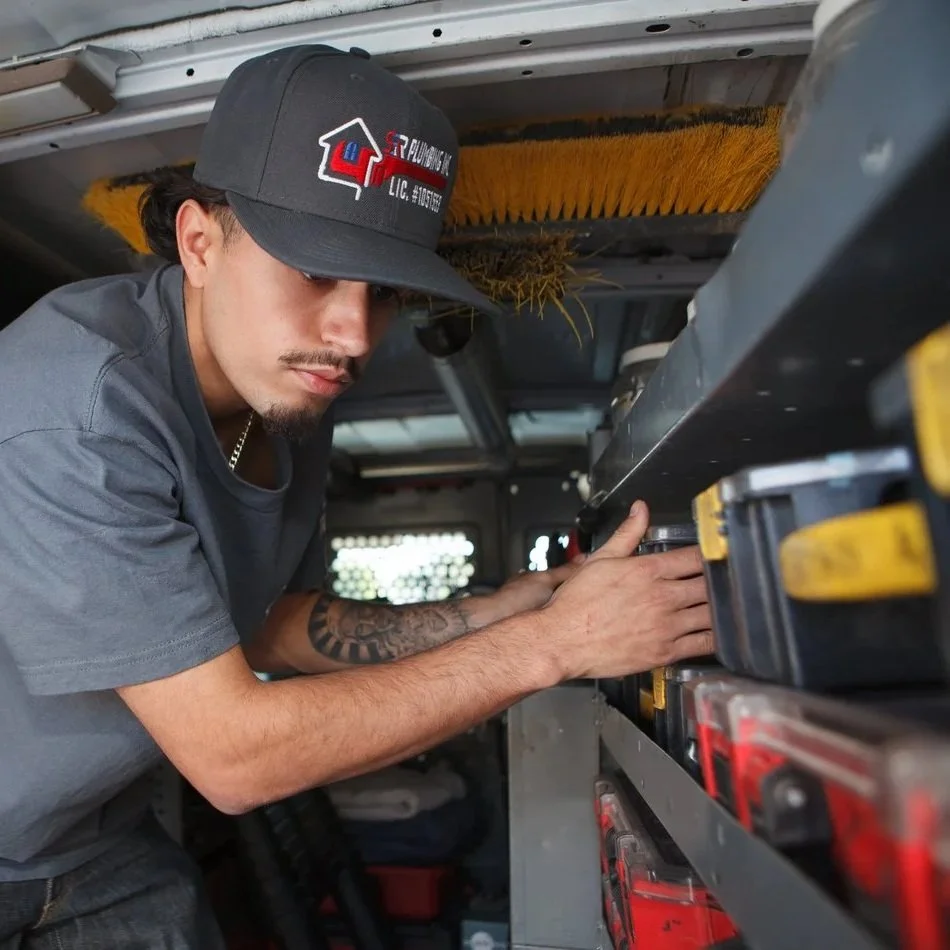
A skilled technician can diagnose the issue, repair the system quickly, and have hot water flowing again before your toes freeze off in the tile.
Few things ruin a morning faster than stepping into what was supposed to be a steaming shower and getting doused with glacier runoff. It's a wake-up call no one wants. A properly functioning water heater isn't a luxury—it's a daily necessity, quietly fueling everything from hygiene to dishwashing. When it stops doing its job, it's time for professional water heater repair.
Cold water surprises don't have to become a morning tradition. A skilled technician can diagnose the issue, repair the system quickly, and have hot water flowing again before your toes freeze off in the tile.
Signs Your Water Heater Is Plotting Against You
Water heaters don't always fail with fanfare. Sometimes they send early warnings—minor inconveniences that are easy to overlook until the tank goes cold or the leak spreads across the garage.
Inconsistent water temperature is often the first clue. If the water swings from sauna to snowstorm without warning, the thermostat or heating element may be to blame. Strange noises, such as popping, banging, or hissing, usually indicate sediment buildup or overheating.
Low water pressure, discolored water, or a foul smell are also worth a second look. Rusty or metallic-tasting water can mean corrosion inside the tank. A rotten egg odor suggests bacterial growth in the system. None of it is good, and none of it gets better on its own.
Professionals read these signals like detectives read clues. They don't guess—they inspect, test, and solve the issue at the source.
It's Not Always the Tank's Fault
Water heater problems can stem from several areas. In electric models, faulty heating elements or broken thermostats are common culprits. In gas models, thermocouple failures, pilot light issues, or gas supply interruptions may be the cause. Sometimes the problem isn't the unit itself—it's a faulty mixing valve, pressure regulator, or sediment-choked pipe upstream.
Professionals approach every repair with a full-system mindset. They examine electrical connections, gas lines, venting, and plumbing to make sure the issue isn't just patched—it's actually fixed. Water heater repair isn't just about replacing parts. It's about restoring reliable function from the first turn of the tap.
Sediment Builds a Fortress Over Time
Over time, minerals in hard water settle to the bottom of the tank, forming a layer of sediment. This insulates the heating element, making the system work harder while delivering less hot water. Eventually, it causes the unit to overheat, rattle like a haunted furnace, or shut down altogether.
Professional repair includes tank flushing and descaling when needed. For homes with consistently hard water, installing a filtration system or water softener helps extend the life of the heater and prevent repeat issues.
Ignoring sediment buildup is like letting your water heater slowly turn into a cement mixer—it won't end well.
Leaks Always Mean Something
A small puddle around the base of your water heater may seem harmless. Maybe it dried up. Maybe it was just condensation. Or your tank is rusting from the inside and getting ready to call it quits.
Leaks around valves, fittings, or pressure relief points can sometimes be fixed. But a leaking tank itself usually means the inner liner has failed. In those cases, repair isn't an option—replacement is the safest move.
A professional diagnoses the source of the leak before making any recommendations. They know when a repair is feasible and when the only responsible option is to replace the unit entirely. Guesswork and water damage don't mix well.
Age Is More Than Just a Number
Most water heaters last eight to twelve years, depending on usage, maintenance, and model type. Beyond that window, they become more prone to failure. Heating elements wear down. Internal tanks corrode. Valves begin to stick or leak.
If your unit is old enough to remember dial-up internet, it might be time for a checkup. Professional water heater repair includes a full inspection of the system's vital components to determine whether repair is a cost-effective choice or a short-term bandage on a long-term problem.
Upgrading isn't just about avoiding breakdowns—it's about improving energy efficiency, recovery rate, and hot water availability throughout the house.
Pilot Lights Love to Be Finicky
Gas water heaters have their own unique quirks. When the pilot light won't stay lit, it's often due to a faulty thermocouple, a dirty burner, or a clogged intake. Older systems with standing pilots are especially prone to this issue.
Professionals clean, adjust, and replace components as needed to bring the system back to full function. They also test for gas leaks, check ventilation, and confirm that combustion is happening safely and efficiently.
Dealing with gas components isn't something to take lightly. Professional repair keeps safety at the forefront while restoring reliable performance.
It's Not Just About the Hot Water
A failing water heater can have side effects that go beyond cold showers. High energy bills, water damage, and even health concerns from contaminated water are all potential outcomes of ignoring small issues too long.
A leaking pressure relief valve could be venting scalding water into the drain line. A faulty thermostat could cause water to be heated to unsafe temperatures. Bacteria in the tank could introduce unpleasant odors and reduce hygiene confidence.
Water heater repair brings more than comfort—it brings safety, savings, and system stability.
The Repair Process Isn't a Guessing Game
Professionals follow a specific process when approaching water heater repair. They start by identifying symptoms, performing diagnostic tests, and visually inspecting the system. Multimeters, infrared thermometers, and pressure gauges help pinpoint the issue.
Once the cause is known, they discuss repair options, costs, and long-term expectations with the homeowner. Some repairs are quick and simple. Others might require special parts or short-term replacement planning.
What you won't get is a vague guess or an upsell disguised as advice. A professional approach brings clarity, accountability, and peace of mind.
Replacement Is the Right Answer Sometimes
If a water heater is too far gone—severely corroded, leaking from the tank, or no longer meeting household needs—it may be time to replace it. And replacement isn't a failure. It's an opportunity to upgrade to something smarter, stronger, and more efficient.
Modern models offer better insulation, higher recovery rates, and smart features like Wi-Fi control and scheduling. Tankless options eliminate standby energy loss, while hybrid heat pump units offer exceptional efficiency in the right environment.
Professionals handle the swap with minimal disruption, proper permitting, and safe disposal of the old unit. It's not just a replacement—it's an improvement.
Regular Maintenance Avoids Repeat Repairs
After a repair, professionals often recommend routine maintenance. That includes flushing the tank once a year, checking the anode rods, testing the valves, and inspecting the fittings. Regular checkups go a long way toward extending the unit's life and avoiding recurring problems.
Professionals also guide homeowners through basic care tips, such as adjusting temperature settings, monitoring for signs of sediment, and recognizing early signs of leaks. The more informed the homeowner is, the fewer cold mornings they will have in the future.
Preventive care isn't a gimmick—it's the difference between a simple tune-up and a surprise flood.
Professional Repair Means Warmth Without Worry
Repairing a water heater isn't about crossing fingers and hoping for the best. It's about methodical testing, skilled diagnosis, and smart solutions that match the system's needs and the homeowner's priorities.
Cold water shouldn't be part of your morning routine unless you're chasing a polar plunge. Professional water heater repair puts the steam back in your shower, the confidence back in your plumbing, and the warmth back in your day. Because comfort should never be a coin toss—and with the right repair, it doesn't have to be.
Get top-tier water heater solutions in Paramount, CA, with Ser Plumbing. We offer water heater installation, water heater repair and replacement, tankless water heater repair and replacement, descaling flush services, and tank water heater installation and repair services to home and business owners. Our skilled and trained plumbing technicians follow safe practices and high professional standards. Licensed, insured, and bonded. Call today to schedule a service.