
Smell Gas at Home? What It Means and What to Do
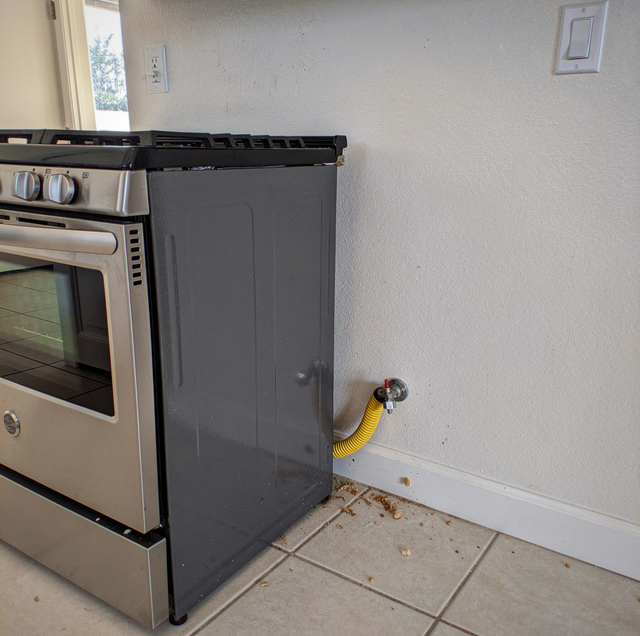
You open the cabinet under the kitchen sink or walk past the water heater closet and catch a whiff of something like rotten eggs. Maybe it's faint, gone as quickly as it came. The instinct is to sniff around and try to find the source yourself. That instinct, understandable as it is, is the wrong move. A gas smell calls for a short, specific sequence of actions, not a personal investigation.
Why Natural Gas Smells Like Rotten Eggs At All
Natural gas and propane are odorless in their raw state. Gas utilities and propane suppliers add a sulfur-based compound, usually a mercaptan such as tert-butyl mercaptan, specifically so a leak announces itself long before the gas builds to a dangerous concentration. The human nose can detect mercaptan at a tiny fraction of the level required for combustion, which is the entire point: smell is supposed to be an early-warning system, not a final alarm.
That system has a known blind spot worth understanding. Mercaptan can fade in a process plumbers call odor fade. Rust inside an old steel pipe, moisture in the soil around an underground line, or bacteria that consume the compound can all mask the smell of gas that is still actively escaping. A leak that seemed to "go away" on its own has not necessarily stopped; the odor marker attached to it may simply have been absorbed before it reached you. That's one reason a combustible gas detector, which reads actual gas concentration in the air rather than relying on scent, catches leaks a nose alone would miss.
The Steps to Take the Moment You Notice It
Do not flip a light switch, press a garage door opener, or strike a match to "check" where the smell is strongest. Any spark, including the small one inside a switch or a doorbell, can ignite gas that has pooled in a closed room. Leave doors open behind you rather than pulling them shut. Get everyone, including pets, out of the structure and away from it, then move to a safe distance before doing anything else.
Once you're clear of the house, call your gas utility's emergency line and a licensed plumber. Don't go back inside to grab a phone charger or check on something; make the calls from outside. If you know exactly where your gas meter sits and can reach it without walking back through gas-filled air, the shutoff is a lever valve on the pipe just ahead of the meter. Turning that lever a quarter turn so it sits perpendicular to the pipe stops gas flow to the entire house. If reaching it means going back inside, skip this step and let the responding crew handle it.
Do not flip a light switch, press a garage door opener, or strike a match to "check" where the smell is strongest. Any spark, including the small one inside a switch or a doorbell, can ignite gas that has pooled in a closed room. Leave doors open behind you rather than pulling them shut.
Where Leaks Actually Start
A handful of specific failure points account for most household gas leaks, and knowing them helps you describe the problem accurately to whoever answers your call.
Loose Appliance Connectors: The flexible corrugated connector linking a shutoff valve to a range, dryer, or gas fireplace insert can come loose when an appliance is pulled out for cleaning or a move, and then pushed back without the fitting fully retightened.
Corroded Pipe Fittings: Black iron pipe threaded into an older galvanized section can cause galvanic corrosion where the two metals meet, slowly eating through the fitting from the inside.
A Pilot Light That Won't Stay Lit: When a water heater or furnace pilot goes out, gas can continue to feed the burner assembly for a moment before the safety valve senses no flame and shuts it down. Repeated attempts to relight it without addressing why it keeps going out mean repeated small gas releases into that space.
Damaged Flexible Gas Tubing: Corrugated stainless steel tubing run through walls and floor joists can develop a pinhole puncture if it contacts a sharp framing edge over time due to small vibrations, or if it wasn't properly bonded during installation.
An Improperly Capped Line: After a remodel disconnects a range or dryer, a line that was capped but not fully sealed with the correct fitting can leak slowly behind a wall for months before anyone notices.
How a Plumber Actually Finds and Fixes It
A technician doesn't guess. A combustible gas detector gets swept along every joint, valve, and connection, reading gas concentration in parts per million so the exact fitting stands out from the rest of the line. Where the detector flags a spot, a soap-and-water solution brushed onto the fitting bubbles right at the leak point, a low-tech check that works without power and confirms the reading. For a suspected leak inside a wall or slab, isolating a section of pipe and watching a pressure gauge over a set period shows whether that segment is holding pressure or slowly losing it.
Once the leak is pinpointed, the fix is almost always to replace the failed fitting or connector outright, clean the threads and reseal with a joint compound rated for gas service, or cut out a corroded section of pipe and run new material. This is not homeowner territory. Gas work involves combustion risk that professional licensing, pressure testing, and proper materials exist specifically to manage, so leave the repair itself, not just the shutoff, to a trained technician.
Why a Faint Smell Comes and Goes
Barometric pressure shifts, wind, and changes in soil moisture around an underground line can all push trace amounts of leaking gas toward the surface at some times and not others. That's why a smell that seems to disappear on a still, humid day and return on a windy one isn't a false alarm resolving itself; it usually means the same leak is still there, and surface conditions are simply changing how much of it reaches your nose on any given afternoon.
A gas leak is one of the few plumbing issues where the smart move is to act on the very first sign rather than wait and watch. The mercaptan additive exists precisely so you don't have to guess whether something is wrong, and treating a faint, intermittent odor as real rather than something to monitor for a few days is what keeps a small fitting problem from becoming a bigger one.
Homes with older gas ranges, standing pilot water heaters, or flexible connectors that haven't been checked in years carry more of this risk simply because there are more joints and more years of vibration for a fitting to work loose. A yearly look at accessible connectors and appliance shutoff valves, done by someone who knows what a properly seated fitting looks like, catches most of these problems while they're still a tightened connection, rather than an emergency call.
Frequently Asked Questions
Most utilities treat a reported gas smell as an emergency dispatch, sending a crew within 30 to 60 minutes in most service areas, ahead of routine appointment calls. If a technician can't reach you that fast, they'll usually stay on the phone to walk you through additional precautions in the meantime.
Yes. At high concentrations, natural gas displaces oxygen in a room and can cause headaches, dizziness, or nausea on its own, separate from the mercaptan odor. Symptoms that ease once you're outside and return when you go back inside are worth treating as a signal in their own right, even if the smell itself seems mild.
A continuous combustible gas alarm samples the air on an ongoing basis and sounds once concentration crosses a set threshold tied to the gas's lower explosive limit, which means it can flag a leak building overnight in a room no one is standing in, well before it's strong enough for anyone to smell it while asleep. Unlike a nose, the sensor inside these units degrades over time and typically needs replacing every 5 to 7 years even if the alarm has never once gone off, so a unit that's been in place since it was first installed a decade ago may no longer be sampling reliably at all.
A normal ignition cycle briefly releases a small puff of gas just before the igniter fires it, and that release should stop within a second or two once the flame catches. When the smell shows up on repeated attempts in a row, the part usually at fault is the thermocouple or flame sensor, the component that's supposed to confirm a flame is actually present before the valve stays open. If it's worn or misaligned, the valve keeps opening for attempts that never fully catch, releasing a fresh puff each time. That's a sensor replacement, not something to fix by relighting it more carefully.
Both use similar sulfur-based additives, so they smell alike. The physical difference matters more: propane is heavier than air and settles toward floors and low spots, such as basements or crawlspaces, when it escapes, while natural gas is lighter than air and rises toward ceilings. That difference determines where a technician first sweeps with a detector and where a leak is likely to pool.
A floor drain or an under-sink trap that has dried out from disuse can let sewer gas into a room, and that smell is sometimes mistaken for a gas leak. Running water in that fixture for a minute to refill the trap, then airing the room out, is a reasonable quick check, but if any doubt remains, treat it as a real gas leak and follow the same steps regardless.
Get a licensed plumber to trace and repair a gas leak fast — 24-hour response from a family-owned crew. Ser Plumbing serves Paramount, Bellflower, and Lakewood. Call (310) 735-3532.
