
Sealing the Deal on Leaky Drains
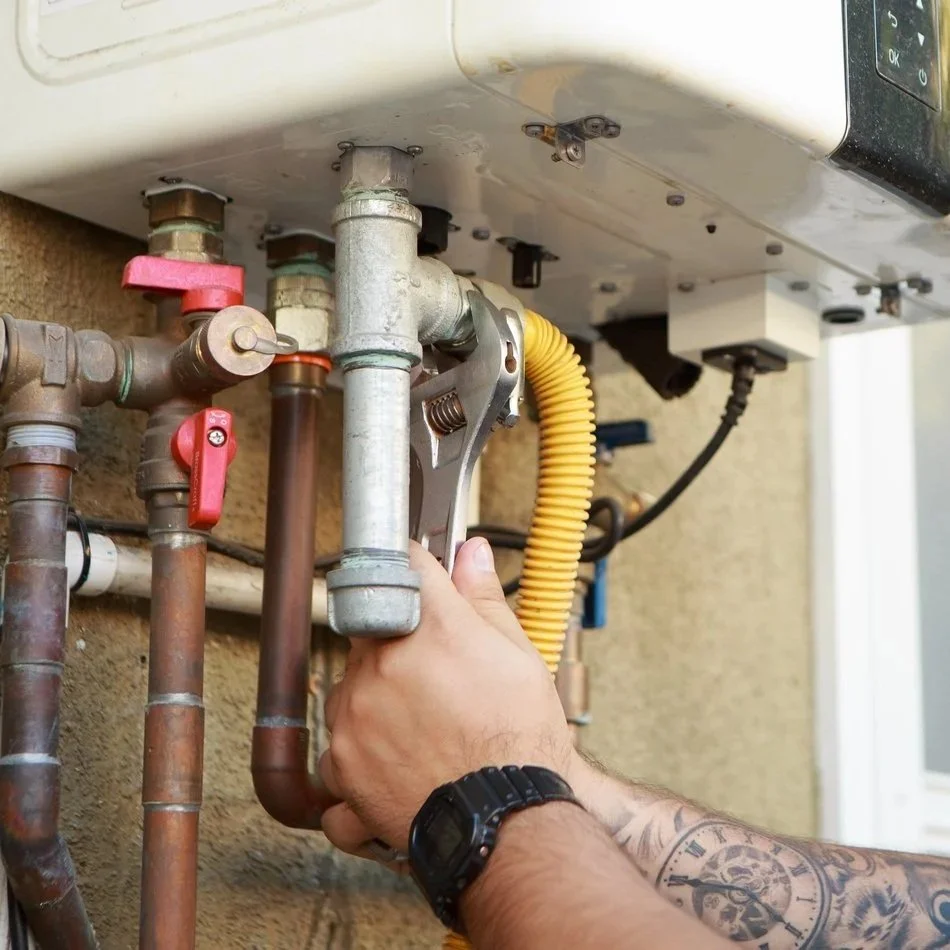
A dripping drain might start as a mild annoyance, but over time, it becomes a sneaky little saboteur that warps cabinets, fosters mold, and creates the kind of mess only professionals love to clean up.
Leaks are great—when they’re part of a plot twist in a thriller novel. Not so great when they’re coming from your drain pipes. A dripping drain might start as a mild annoyance, but over time, it becomes a sneaky little saboteur that warps cabinets, fosters mold, and creates the kind of mess only professionals love to clean up. Drain pipe repair isn’t just about patching a hole. It’s about restoring harmony to a system that quietly makes modern life livable.
Professionals treat every leak like a clue. Where it starts, how far it spreads, and what damage it might have already caused tell a story. And spoiler alert: the ending gets a whole lot better once the drain is restored to its watertight glory.
Cracks, Corrosion, and Culprits
Drain pipes aren’t immortal. Over time, age, temperature swings, shifting soil, and chemical exposure take their toll. PVC can crack from impact or sun exposure. Cast iron can corrode from the inside out. Even newer materials aren’t immune to problems when installed improperly or subjected to years of wear.
Sometimes the issue comes down to loose fittings. Other times, roots have found their way in. Then there are the mysteries—those leaks that hide behind walls, only revealing themselves as stains, odors, or unusually warped baseboards.
Professionals investigate, isolate, and repair without turning your home into an excavation site. Precision beats demolition every time.
Listening to the Pipes
A functioning drain doesn’t talk back. So when it starts gurgling, bubbling, or echoing through the walls, something is off. Drain leaks often produce sound before they produce visible damage. That slow drip beneath the sink or under the tub is more than a nuisance—it’s a red flag waving hello.
Professionals use moisture meters, infrared imaging, and—when needed—good old-fashioned intuition to trace those sounds and uncover hidden leaks. Quick detection saves drywall, flooring, and a whole lot of drama.
Because hearing voices from your plumbing should never become the new normal.
Sealing Fittings Like a Pro
Many leaks begin where pipes meet: elbows, tees, traps, and reducers. The tiniest misalignment or overlooked hairline crack allows water to escape drop by drop, day after day. Over time, that “minor” leak does major damage.
Drain pipe repair experts cut away compromised sections, realign fittings, and reseal using industry-standard adhesives, couplings, and sleeves. For plastic systems, that might mean solvent welding. For cast iron or copper, mechanical couplings or rubber boots do the job.
Everything is tested—visually and under pressure—before the job is closed because a repair isn’t finished until the drip’s permanently out of business.
When Pipes Break Down Below the Surface
Sometimes the real action is happening where no flashlight can reach—under slabs, behind walls, or deep in crawlspaces. A slow drain, a persistent smell, or an unexplained spike in water damage often points to one culprit: a hidden leak in the drain line.
Camera inspection is a plumber’s best friend. A flexible scope snakes into the pipe, showing the inner condition in real time. Cracks, root intrusion, pipe separation—it all shows up on the screen like a plumbing reality show.
Once identified, trenchless repair methods can often resolve the issue with minimal disruption. Pipe lining, for example, creates a new pipe inside the old one. It’s like giving your plumbing a new lease on life without tearing up the yard.
Drain Pipe Repair in the Kitchen Area
Kitchens do a number on their drains. Hot grease, sharp bones, and everything the garbage disposal doesn’t like wear down even the toughest pipes over time. Sink drains are especially vulnerable to trap issues, joint separation, and corrosion.
Repairs in the kitchen often involve clearing out built-up debris, reseating the drain basket, replacing worn washers, or swapping out aged pipes with modern alternatives. Stainless steel flex lines, PVC traps, and high-quality slip joints bring longevity to a place where daily use is non-negotiable.
The kitchen deserves a drainage system as efficient as the home chef it supports.
Bathroom Drains: Small Leaks, Big Trouble
Bathroom leaks might be the trickiest of all. Between vanities, tile, and tight spaces, a leaky drain can hide for months before showing signs. And by the time it does, the cabinet is warped, the floorboards are spongy, and the air has taken on that unmistakable eau de mildew.
Professionals disassemble, clean, and reseal every joint with precision. If a tub drain has rusted out, a P-trap has cracked, or a pipe has shifted due to wall movement, they handle it efficiently—sometimes with an upgrade that boosts performance and lifespan.
When you trust the fix to a pro, you don’t just solve the leak—you future-proof the flow.
Sealing Around the Seams
Not every leak comes from the middle of a pipe. Sometimes it’s where the pipe meets another surface—like the base of a sink, shower drain, or toilet flange. Caulking, gaskets, and rubber seals can wear out or be installed incorrectly, allowing water to seep out slowly.
Professionals reseal these connections with the right materials and proper curing time. That often includes applying plumbers’ putty, replacing gaskets, or adjusting compression fittings. It’s not glamorous, but it’s essential—and when done right, it’s worry-free.
Nothing says peace of mind like a dry cabinet and a silent drain.
Signs It’s Time to Call In a Drain Pipe Repair Expert
Persistent odors, recurring clogs, water stains, mold patches, or soggy spots around fixtures all point to one thing: the drain system needs help. Ignoring these signs doesn’t make them go away—it makes the eventual fix bigger, costlier, and messier.
Professionals provide an assessment that goes beyond surface-level. They understand how small signs connect to deeper issues. They offer not just repair, but restoration. And when needed, they explain when a replacement makes more sense than another patch.
Homeowners appreciate honest guidance. Even more so when that guidance doesn’t involve surprise sledgehammers.
Replacing What Can’t Be Saved
Sometimes a pipe’s had one too many bad days. Maybe it’s rusted through, collapsed, or been patched so many times it looks like a plumbing quilt. In those cases, replacement beats repair—and professionals know how to make that transition smooth.
They isolate the problem, cut out the old section, and install a new section that meets code and performance standards. Materials match the surrounding system, connections are tested, and everything is inspected before the water flows again.
A good repair blends in so well, you’d never guess there had been a problem in the first place.
Restoring Confidence in the System
Drain pipe repair isn’t just about stopping a leak. It’s about restoring your trust in the system. When the water flows out, stays out of the walls, and keeps odors at bay, you relax. You stop checking under the sink every morning. You stop sniffing the air every time the washer drains.
Professionals make that peace of mind possible. They combine tools, experience, and a keen sense of plumbing psychology (yes, it’s a thing) to create repairs that last.
So when a leak rears its ugly head, it’s not the end of the world—it’s the beginning of a better drain. One that’s sealed, secured, and standing by to carry on, without complaint.
Homeowners in Paramount, CA, trust Ser Plumbing for reliable plumbing repair services, hydro jetting, sewer service, drain cleaning, and toilet repairs and replacement solutions. We aim to ensure that your plumbing system gets the required attention and runs seamlessly year-round. Family-owned, licensed, insured, and bonded. 24-hour emergency services available. Call today!