
Tankless Error Code Flashing in My Paramount Garage
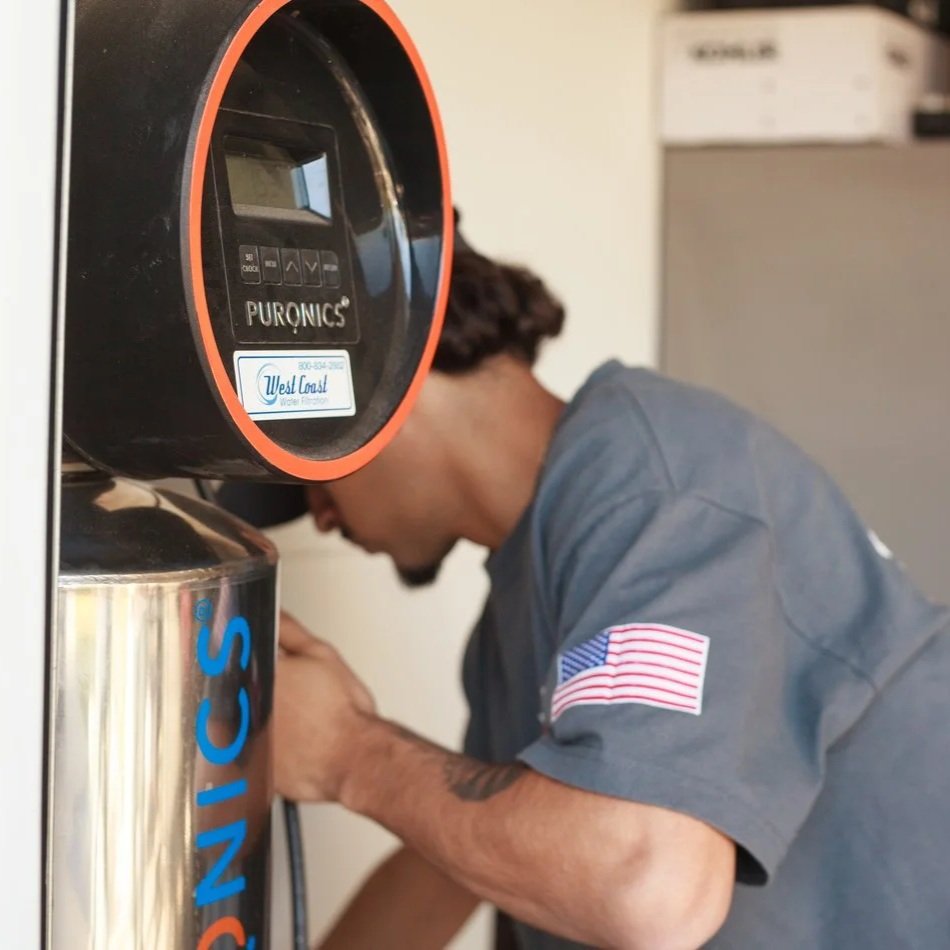
Modern tankless water heaters are designed to monitor gas flow, water flow, temperature sensors, venting, and internal components.
Why is there a blinking error code on my tankless unit in the garage right now? I went out there to grab something off the shelf, saw a flashing number on the screen, and now I am wondering if I am about to lose hot water again.
That little blinking code can ruin your whole evening. You start thinking about cold showers, unexpected repair bills, and whether the unit is going to shut down completely right before everyone needs to bathe. In Paramount, CA, where many tankless systems are installed in garages, seeing a digital error message instead of a quiet unit is enough to spark instant frustration and a lot of nervous Googling.
When a tankless system displays an error code, it is not trying to confuse you. It is doing the opposite. Modern tankless water heaters are designed to monitor gas flow, water flow, temperature sensors, venting, and internal components. If something moves outside safe operating limits, the system displays an error code and may shut down. Tankless water heater repair starts with understanding what that code means and why it appeared.
What Does That Tankless Error Code Actually Mean?
One of the first questions homeowners ask is simple. What does the number mean? Every manufacturer has its own code system, but most error messages fall into a few categories. Ignition failure, flame loss, airflow problems, overheating, and scale buildup are among the most common.
Ignition-related codes often point to issues with the gas supply or the burner. If the unit cannot establish a stable flame, it will shut down to prevent unsafe combustion. Airflow codes usually relate to venting. A blocked vent or improper exhaust configuration in a garage in Paramount, CA, can trigger a shutdown because the system cannot safely expel exhaust gases.
Temperature sensor codes often indicate overheating or faulty thermistors. The unit monitors water temperature at multiple points. If readings do not match expected patterns, the control board stops operation. Tankless water heater repair in these cases involves testing sensors, verifying gas pressure, and checking for obstructions rather than replacing the entire unit.
Why Did It Work Yesterday But Not Today?
That question comes up constantly. The system worked fine yesterday. Nothing changed. Then suddenly an error code appears. In many cases, small issues build up gradually until they cross a threshold.
Scale buildup inside the heat exchanger is a prime example. In Paramount, CA, mineral content in water can accumulate inside tankless units over time. As scale thickens, heat transfer becomes less efficient. The unit works harder, internal temperatures rise, and eventually a sensor detects overheating or flow restriction. The error code appears even though the heater seemed fine just days earlier.
Gas pressure fluctuations can also trigger intermittent codes. If another appliance draws heavily on gas, the tankless unit may detect unstable combustion and shut down. What feels random to the homeowner often has a measurable cause that developed over time. Tankless water heater repair focuses on identifying the root cause instead of just resetting the system.
Can I Just Reset It And Move On?
Many homeowners try resetting the unit first. Sometimes that works temporarily. If the issue was a minor glitch or momentary supply interruption, the system may restart and operate normally for a while.
However, repeated resets without diagnosing the cause are risky. The error code is a warning sign. Ignoring it can allow small problems to grow. For example, if scale buildup is triggering an overheating code, resetting the unit does not remove the mineral deposits. Over time, that buildup can reduce efficiency and stress internal components.
Using a reset as a short-term measure is understandable. Treating it as a permanent solution is not. Proper tankless water heater repair involves confirming why the system went into protective shutdown in the first place.
Common Error Code Triggers In Paramount Garages
Garage installations are common in Paramount, CA. While garages are convenient, they introduce specific environmental factors. Dust, storage items, and temperature swings can affect system performance.
Dust accumulation inside the combustion chamber or on intake filters can restrict airflow. When airflow drops below safe levels, the unit shuts down. Homeowners may not realize that nearby shelving, boxes, or stored items partially block vents. Even small obstructions can trigger codes related to combustion or exhaust.
Temperature extremes also matter. If incoming water is significantly colder during certain times of year, the unit works harder to raise it to the set temperature. Under high demand, that strain can expose scale buildup or marginal gas supply issues. Tankless water heater repair often includes evaluating the surrounding environment, not just the internal components.
Is It A Gas Supply Problem?
Ignition and flame-failure codes often trace back to the gas supply. Tankless systems require consistent gas pressure to maintain stable combustion. If the gas line is undersized or the regulator is malfunctioning, the unit may light briefly and then shut off.
Homeowners sometimes add tankless units without fully evaluating gas line capacity. A line that supports a traditional tank heater may struggle to handle the higher BTU demand of a tankless system. When gas pressure dips under load, the system protects itself by shutting down.
Diagnosing gas-related error codes requires measuring supply pressure under operating conditions. In cases like these, tankless water heater repair may involve adjusting or upgrading gas lines rather than replacing the heater.
Scale And The Silent Performance Killer
Scale buildup deserves special attention. Tankless heat exchangers contain narrow passages where water flows rapidly. Mineral deposits can accumulate along those surfaces, restricting flow and trapping heat.
As scale thickens, the system must work harder to achieve the same output. Sensors detect abnormal temperature rise and trigger error codes. Homeowners may notice reduced hot water flow before the error appears, but often the first sign is the flashing code itself.
Regular descaling maintenance helps prevent these issues. In Paramount, CA, where mineral content can vary, annual flushing is often recommended. Tankless water heater scale-related repairs usually involve chemical descaling and inspection of the heat exchanger for long-term damage.
The Mistake Of Ignoring Maintenance
One common assumption is that tankless systems are maintenance-free. While they eliminate standby heat loss and tank corrosion issues, they require periodic servicing. Ignoring maintenance allows scale and debris to accumulate unnoticed.
Skipping annual flushing can shorten the unit's lifespan and increase the likelihood of error codes. Waiting until a shutdown occurs often means more extensive cleaning or component replacement. Proactive maintenance costs less than emergency tankless water heater repair after a complete shutdown.
Homeowners in Paramount, CA, who schedule regular service tend to experience fewer surprise codes and more consistent performance. Maintenance may not feel urgent when the unit runs smoothly, but it directly affects reliability.
When The Control Board Is The Issue
Sometimes the error code does not point to gas or scale but to electronics. Modern tankless units rely on circuit boards to interpret sensor data and control operation. Power surges, moisture exposure, or age can affect board performance.
If the control board misreads sensor input, it may shut the system down unnecessarily. Diagnosing board issues involves ruling out mechanical causes first. Replacing a board without confirming the root issue can waste time and money.
Tankless water heater repair involving electronic components requires careful testing. Electrical supply stability, grounding, and internal wiring connections all contribute to reliable operation.
The Stress Of A Flashing Code
A blinking error message creates anxiety because it feels like a warning of something bigger. You picture a full system failure, water damage, or expensive replacement. That stress builds quickly, especially if you rely on hot water daily.
In Paramount, CA, homeowners often call with a mix of confusion and concern. The good news is that many tankless error codes point to fixable issues. Ignition adjustments, vent cleaning, descaling, or sensor replacement can restore full function without replacing the entire unit.
Tankless water heater repair is about restoring stability. Once the underlying cause is addressed, the flashing code disappears, and the system returns to normal operation.
Understanding What The System Is Telling You
Error codes are not random. They are diagnostic tools. Each code narrows the list of possible issues and guides troubleshooting. Treating them as useful information rather than a mysterious threat helps reduce frustration.
Instead of wondering whether the system is about to fail, focus on identifying the specific error category. Gas, airflow, temperature, and flow-related codes each point in a different direction. A methodical approach prevents guesswork and unnecessary part replacements.
At Ser Plumbing, tankless water heater repair in Paramount, CA, often begins with decoding that flashing message. Once the system is thoroughly evaluated, homeowners can move forward with confidence rather than uncertainty.
Tankless Water Heater Error Code FAQs
What should I do when my tankless heater shows an error code?
Start by noting the code and checking the manufacturer's guide if available. You can try resetting the unit once, but if the code returns, a professional evaluation is recommended. Repeated resets without diagnosis may allow the problem to worsen.
Are tankless error codes dangerous?
Most codes indicate the system has shut itself down to prevent unsafe conditions. The shutdown is a protective measure. However, the underlying cause should be addressed promptly to restore safe and reliable operation.
Can mineral buildup cause tankless error codes?
Yes, scale buildup in the heat exchanger can restrict flow and cause overheating. Regular maintenance helps reduce the risk of scale-related shutdowns and improves efficiency.
Is it expensive to repair a tankless error code issue?
Costs vary depending on the cause. Simple cleaning or sensor replacement is typically less expensive than major component failure. Identifying the root problem early helps limit repair expenses.
How often should a tankless water heater be serviced?
Annual maintenance is commonly recommended, especially in areas like Paramount, CA, where mineral content can affect performance. Routine flushing and inspection help prevent unexpected error codes and extend system life.
Get top-tier water heater solutions in Paramount, CA, with Ser Plumbing. We offer water heater installation, water heater repair and replacement, tankless water heater repair and replacement, descaling flush services, and tank water heater installation and repair services to home and business owners. Our skilled and trained plumbing technicians follow safe practices and high professional standards. Licensed, insured, and bonded. Call today to schedule a service.