
Swirling Away the Grime for Clear Pipes
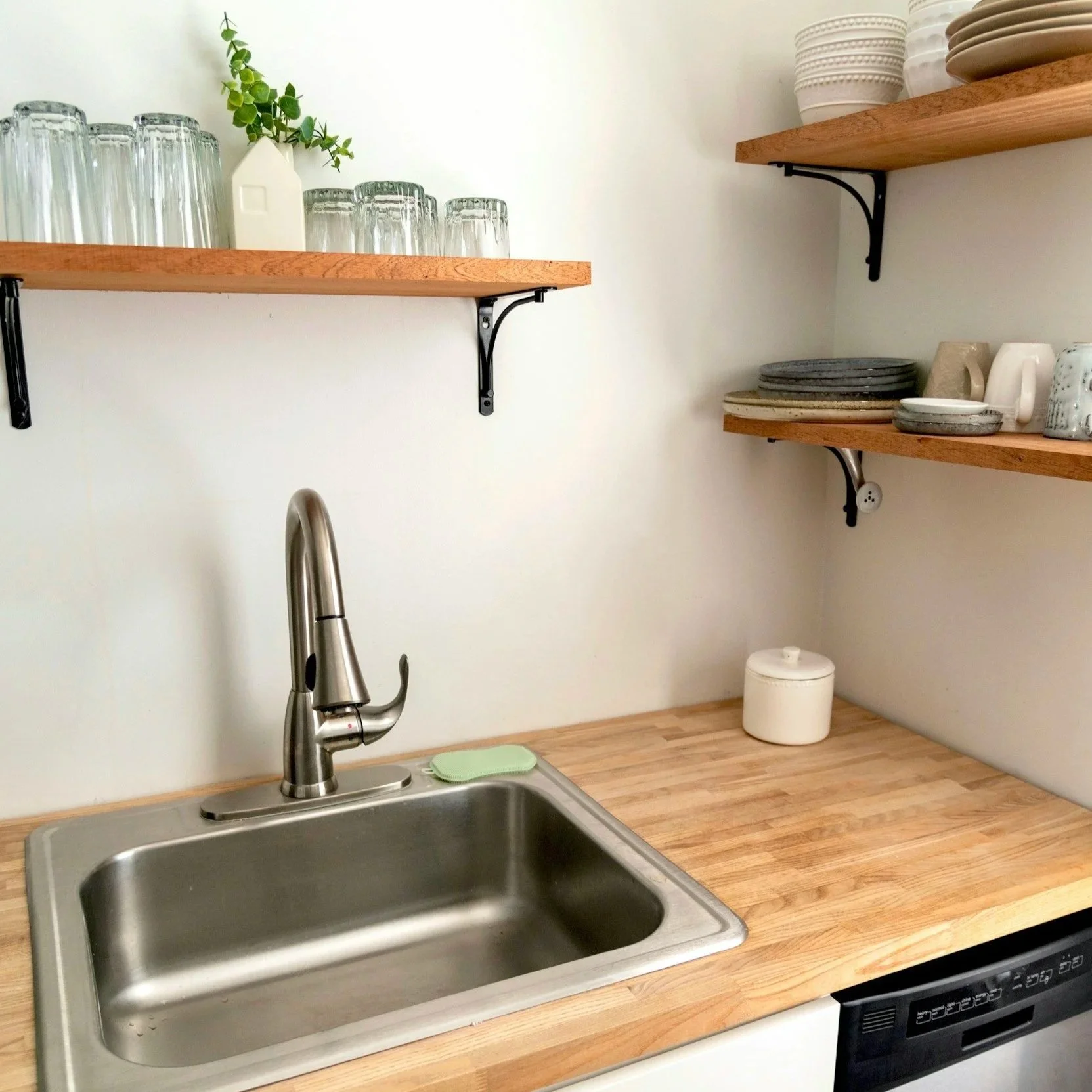
Professional drain cleaning addresses the issue head-on with the tools and know-how to dislodge, dissolve, and clear out blockages the average plunger wouldn't dream of touching.
A slow-draining sink is more than an annoyance. It's the plumbing world's version of passive-aggressive behavior. The drain swirls slowly, gurgles in protest, and dares you to ignore it for one more day. Unfortunately, clogs don't improve with age. They fester, grow, and eventually bring the entire system to a standstill.
Professional drain cleaning addresses the issue head-on with the tools and know-how to dislodge, dissolve, and clear out blockages the average plunger wouldn't dream of touching. From bathroom backups to mystery smells in the kitchen, there's no need to live with sluggish plumbing when help is just a call away.
The Gunk That Builds a Fortress
Drains are magnets for things that never make it into polite conversation. Soap scum, hair, grease, food particles, and all their grimy friends create layer after layer of slow-flowing sludge. Over time, these clogs don't just hang out—they solidify, becoming walls that resist water like a toddler refusing vegetables.
A professional drain cleaning service doesn't stop at what's visible. They push past the surface, using augers, jetters, and camera inspections to find the buildup, break it up, and flush it clean. The result? Pipes that breathe easy and drains that don't sass you every time the faucet turns on.
Clogs Don't Care Where They Happen
Bathroom drains are famous for trapping hair, soap residue, and shaving debris. Kitchen sinks suffer from cooking oil, food scraps, and forgotten coffee grounds. Utility sinks collect lint, dirt, and whatever grime hitchhiked in from the garage. And don't even start on floor drains in laundry rooms—they're the secret hoarders of suds, fuzz, and who-knows-what.
Professional plumbers don't discriminate. They assess each drain based on use, location, and symptoms. Whether the problem is a single stubborn sink or a whole-home backup, the process starts with identifying the clog's location and type and removing it efficiently without turning your bathroom into a splash zone.
Why DIY Methods Rarely Work Long-Term
Chemical drain cleaners promise miracles with labels that look like superhero origin stories. But beneath the flashy marketing lies a harsh reality: they're a temporary fix and pipe damage in a bottle at worst. Harsh chemicals corrode older plumbing, weaken seals, and often push clogs further down the line rather than clearing them altogether.
Professional drain cleaning uses mechanical and water-based methods that are safer, more effective, and more thorough. Instead of hoping a blue liquid will magically eat through last month's pasta and this week's conditioner, a pro uses real tools and techniques to restore flow correctly.
The Hidden Signs of a Deep Drain Problem
Some clogs don't announce themselves right away. It may start with a faint smell from the kitchen sink. The shower bubbles up a little more than it used to. Or maybe the toilet has been flushing a little slower—but you keep telling yourself it's fine.
These early warning signs are your drain's way of calling for backup. Gurgling, slow draining, standing water, and recurring clogs all point to blockages deeper in the system. Professional plumbers read these signs like a roadmap. They use camera inspections to look down the line and identify intrusions, buildup, or even tree roots sneaking into the action.
When the problem is deeper than a hairball, a professional can go the distance to clear it.
Hydro Jetting: The Pressure Washer Your Pipes Deserve
Sometimes, a snake isn't enough. That's when hydro jetting comes into play. Using high-pressure water to blast away years of gunk, scale, and grease, hydro jetting cleans pipe walls thoroughly, like scrubbing a dirty pan with a pressure washer.
Hydro jetting is especially effective in commercial kitchens, restaurants, or homes with heavy grease use. It clears buildup without damaging the pipe itself and restores the plumbing's full diameter. It's not a patch—it's a reset.
Professionals assess pipe condition before jetting and make sure the system is ready to handle the pressure. When done right, it leaves pipes clean, efficient, and ready for round two of daily life.
Tree Roots Don't Ask Permission
Roots are surprisingly ambitious. They find tiny cracks in sewer lines and grow into them with relentless curiosity. Over time, they create dense blockages that back up toilets, sinks, and tubs—occasionally appearing where they are least expected.
Professional drain cleaning for root intrusions involves cutting tools, specialized augers, and sometimes trenchless repair methods. A camera inspection confirms the extent of the invasion and a professional plan to remove the roots without compromising the entire pipe.
If the plunger isn't helping and your yard smells like last night's plumbing mistake, tree roots might be the uninvited guests crashing your sewer system.
Preventive Cleaning Beats Emergency Chaos
Most people don't think about their drains until they stop working. But preventive drain cleaning is the unsung hero of household maintenance. By scheduling regular service, homeowners can avoid clogs, slow drains, and unexpected backups before they become plumbing emergencies.
Professionals offer maintenance plans based on household usage, number of occupants, and plumbing age. A proactive approach keeps things flowing and prevents Saturday night calls to the emergency plumber when the kids have friends over, and the sink suddenly erupts.
Peace of mind isn't flashy—but it's what regular drain cleaning delivers.
Why Drain Odors Linger When Drains Aren't Clean
Funky smells from the kitchen sink or bathroom drains aren't a mystery—they're a byproduct of slow-moving water, trapped food particles, or bacteria colonizing the buildup. No candle can mask that forever.
Professional drain cleaning removes the source of the smell—not just the symptoms. Plumbers eliminate the biofilm and gunk that cause that lingering stench by clearing the line and flushing out buildup. If it smells like something died in the drain, it probably needs a professional cleaning—not a séance.
Clogs That Return Deserve a Closer Look
A drain that clogs repeatedly is waving a red flag. There may be an issue with the pipe slope. It could be a partial blockage that wasn't removed last time. Or it could be something more complex, like shifting pipe joints or aging cast iron scaling from the inside.
Professionals don't just treat the clog; they investigate the cause. Repeat blockages are an opportunity to solve the underlying issue, whether pipe relining, camera inspection, or rerouting a troublesome segment.
Because no one has time to battle the same clog every month like it's Groundhog Day in the plumbing world.
Drain Cleaning Is More Than Just Unclogging
When performed by a professional, drain cleaning does more than fix what's broken. It improves flow, protects plumbing, and extends the life of the pipes. It also reduces stress on fixtures and appliances that rely on steady drainage to operate properly.
Professional service means clean work, expert care, and advice on keeping the system running smoothly. Whether installing drain screens, adjusting usage habits, or recommending periodic flushing, the right tips go a long way.
Clear pipes aren't just cleaner. They're smarter, stronger, and built to handle everything your home throws at them.
Let Professionals Do the Dirty Work
Nobody wants to deal with drain gunk, mystery backups, or unexpected overflows. Professional drain cleaning removes the guesswork and replaces it with skill, precision, and the right tools for the job.
Instead of juggling plungers, chemicals, and YouTube tutorials, let the pros step in with experience, equipment, and a plan that doesn't leave a mess behind. Plumbing problems don't need drama—they need resolution—fast, thorough, and with a smile that says, "Go ahead, run the disposal. I dare you."
Ser Plumbing offers quality repiping plumbing service, plumbing camera inspection, sink faucet repair, replacement, and installation, and garbage disposal installation services to residential property owners in Paramount, CA. As a licensed and insured plumbing company, we have extensive plumbing experience and ensure transparent pricing, personalized service, and superior and affordable solutions. Contact us today!