
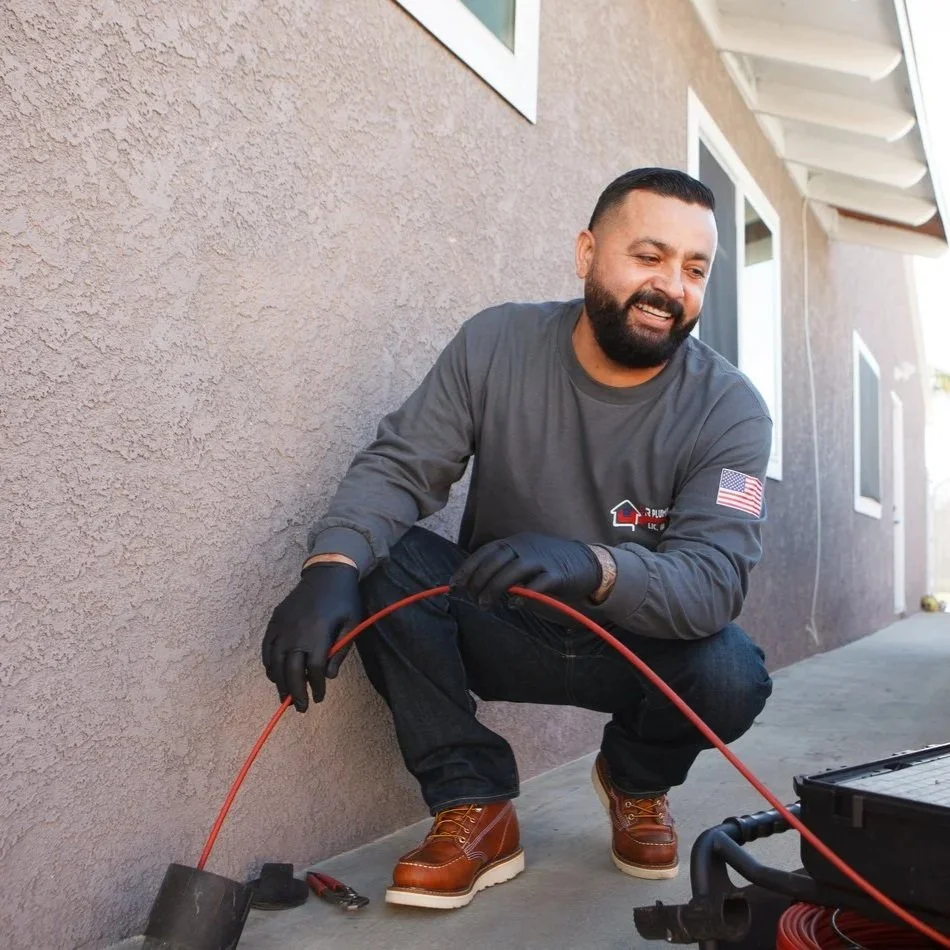
A well-planned and carefully executed installation doesn’t just direct wastewater out of the home—it sets the stage for decades of reliable drainage.
When a plumbing system works, it goes unnoticed. No gurgles, no backups, no mysterious leaks. The secret behind that flawless performance? It all starts with proper drain pipe installation. A well-planned and carefully executed installation doesn’t just direct wastewater out of the home—it sets the stage for decades of reliable drainage.
Professionals don’t treat new installations like just another pipe drop. They calculate slope, assess materials, consider venting, and future-proof the layout so that every flush, rinse, and drain happens without drama. There’s more science and craftsmanship involved than meets the eye, and skipping any part of the process is an open invitation to plumbing problems.
Picking the Right Materials for the Mission
Drain pipe installation begins with choosing the right materials. PVC has become the go-to for most residential projects—it’s lightweight, rust-resistant, affordable, and durable. For larger or commercial buildings, cast iron still holds appeal for its noise-dampening properties and strength.
In every case, the choice depends on location, local building codes, water usage, and long-term performance goals. Professionals factor in exposure to the elements, proximity to tree roots, and vibration from nearby utilities to select the best option. It’s a mix of technical know-how and purposeful planning.
The goal isn’t just to install a pipe—it’s to install the right pipe in the right place for the right reason.
The Slope Science Behind a Smooth Drain
Water and waste don’t magically exit a home. They rely on gravity and precision to move smoothly from fixture to sewer. Slope—the angle at which pipes are laid—determines how efficiently the system drains.
Too flat, and waste slows down, increasing the risk of buildup. Too steep, and water outruns solids, leaving debris behind. Professionals typically aim for a quarter-inch slope per foot, but every installation is unique. Different pipe diameters, fixture distances, and elevation changes all influence how slope is applied.
Accurate slope isn’t just a technical detail—it’s the difference between a system that clears itself and one that clogs for fun.
Support Systems That Keep Pipes Steady
Drain pipes don’t like surprises. If they’re left unsupported or resting on unstable soil, they can sag, shift, or crack over time. That’s why professionals use hangers, straps, and bedding materials to keep pipes aligned and steady.
Inside a home, pipes get anchored to framing or suspended with brackets. Under concrete slabs or in crawlspaces, they’re bedded in gravel or sand to absorb ground movement. A pipe that stays where it was meant to be is a pipe that stays problem-free.
Support matters. And when done right, it becomes invisible—just like the plumbing should be.
Fittings That Fit Like a Glove
Drain pipe fittings are where everything connects, changes direction, or reduces in size. These junctions need to be tight, leak-free, and smooth inside to avoid turbulence that leads to blockage. Professionals use couplings, elbows, tees, and reducers not just for structural support, but also for optimal flow.
Every connection is cleaned, deburred, dry-fitted, and sealed. For PVC, that means primer and solvent cement. For cast iron, rubber gaskets or mechanical couplings create the seal. Nothing squeaks by unchecked. Because even a hairline gap or awkward angle can snowball into water damage or odors.
A drain system is only as strong as its weakest connection—so every joint matters.
The Unsung Hero: Venting
Drain pipe installation isn’t complete without proper venting. Without air flowing into the pipes, suction can create pressure imbalances that cause gurgling drains, slow flow, or trap siphoning. Worse yet, they can allow sewer gases to sneak back into the home.
Professionals install vent stacks that let air in and allow gases to exit above the roofline. In tighter spaces or remodels, they may use air admittance valves. The vent system is planned alongside the drainage layout, not as an afterthought. It’s what makes the whole system breathe easy.
And while you may never see a vent pipe, you’ll definitely notice when one’s missing.
Cleanouts for Future Peace of Mind
Even the best drain systems need maintenance. When that day comes, cleanouts make it easy. These capped access points give plumbers a direct line into the system to perform inspections, flush debris, or remove blockages without cutting into walls or digging up dirt.
Strategically placed cleanouts—at major junctions, near the base of vertical stacks, and before the main line exits the house—make all the difference. They’re installed during the original build, not bolted on afterward.
Cleanouts are like safety exits for your plumbing. You hope not to use them, but you’ll be glad they’re there when needed.
Silencing the System
No one wants to hear their plumbing at work. If every flush sounds like a waterfall in the living room, the installation missed something. Proper drain pipe layout and material selection reduce noise, especially in multi-story homes or buildings with open-concept designs.
Cast iron is naturally quiet, while PVC requires sound insulation or pipe wraps. Professionals run noisy sections away from bedrooms and living areas and brace pipes to prevent rattling. A quiet system is a respectful one—no announcements, no disturbances, just smooth, silent performance.
Plumbing that whispers beats plumbing that screams.
Outdoor Drainage Plays a Role Too
Inside the house isn’t the only place where drain pipe installation matters. Outdoor systems protect foundations, redirect water from downspouts, and keep landscaping intact. From French drains to storm drain connections, these pipes need just as much care and planning.
Professionals use perforated or solid piping based on the drainage goal. They properly slope trenches, surround pipes with gravel for filtration, and use landscape fabric to prevent soil intrusion. Every outdoor install has to work with the land—not fight against it.
Dry basements and happy gardens start with pipes you never see.
Testing Before the Final Curtain Call
Before the concrete gets poured, the drywall goes up, or the trench gets filled, professionals test the system. Water pressure tests, air tests, and visual inspections confirm that everything is tight, sloped, and ready to handle daily use.
There’s no cutting corners here. A missed leak now becomes a major repair later. That’s why drain pipe installation ends with proof—proof that every piece of pipe, every fitting, and every connection performs exactly as planned.
It’s the final act in a well-rehearsed show—and one that deserves a standing ovation.
Drain Installation That Lasts
When professionals handle drain pipe installation, they’re not just building for today. They’re thinking about the next decade—or two. They’re planning for the growth of a household, the settling of a structure, and the occasional pipe inspection down the road.
Their work protects walls, flooring, and even your peace of mind. They prevent clogs before they start, reduce repair calls, and give your plumbing system the stability it needs to work quietly in the background for years.
A drain system may be hidden from view, but when it’s installed right, it never needs a spotlight. It just works—quietly, reliably, and without asking for applause.
Ser Plumbing offers quality repiping plumbing service, plumbing camera inspection, sink faucet repair, replacement, and installation, and garbage disposal installation services to residential property owners in Paramount, CA. As a licensed and insured plumbing company, we have extensive plumbing experience and ensure transparent pricing, personalized service, and superior and affordable solutions. Contact us today!