
Keeping the Heat Flowing in Compact Packages
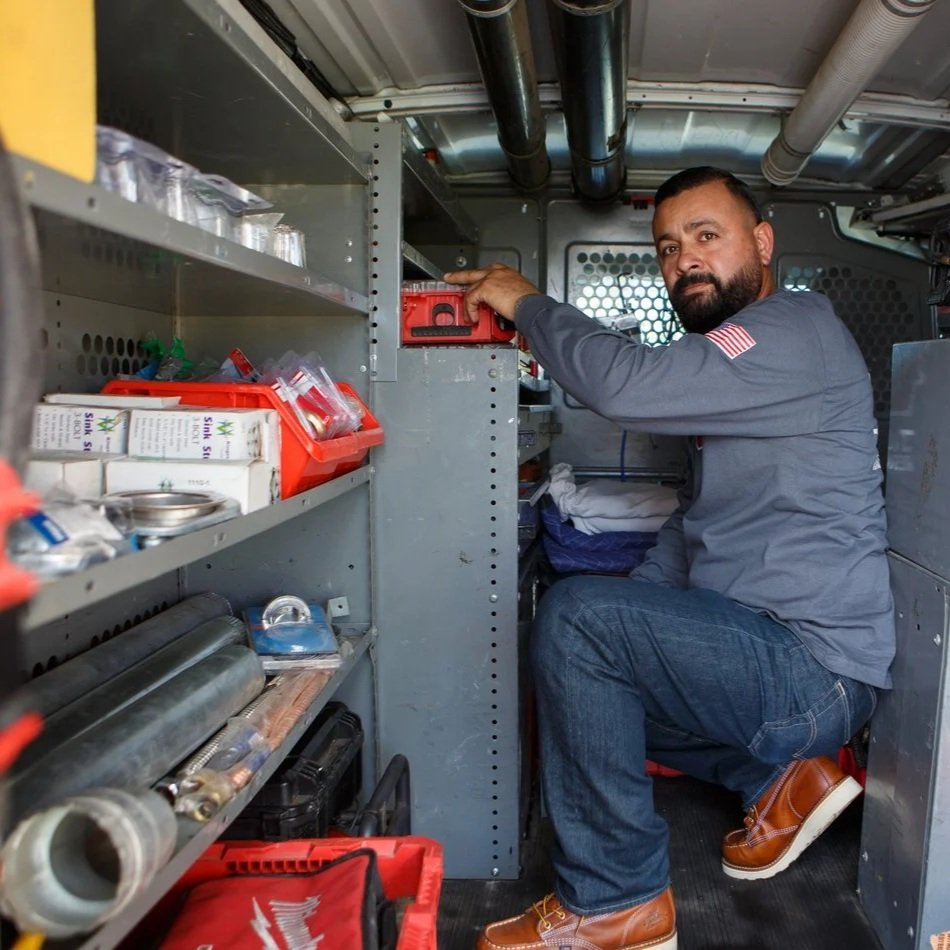
These wall-mounted wonders pump out endless hot water on demand without breaking a sweat—or taking up half the utility room.
Tankless water heaters might be small, but they don’t mess around. These wall-mounted wonders pump out endless hot water on demand without breaking a sweat—or taking up half the utility room. But even sleek technology needs a tune-up now and then. When performance slips or hot water starts playing hide-and-seek, professional tankless water heater repair puts things back in order before the dishes pile up or morning showers go icy.
These systems work hard behind the scenes, and when they speak up with odd sounds, blinking codes, or a lack of heat, it’s time to call in someone who speaks fluent tankless.
When the Hot Water Hits Pause
If the once-smooth stream of hot water starts showing signs of rebellion—maybe it takes longer to warm up, fluctuates in temperature, or runs out sooner than expected—there’s a good chance the unit is asking for help. Sometimes it’s a sensor issue. Other times, it’s scale buildup, a blocked inlet screen, or a failing flow control valve.
Professionals don’t guess their way through repairs. They use diagnostic tools to read error codes, test components, and check the system’s flow rate and temperature rise. Tankless water heater repair is all about quickly identifying the problem and keeping the fix efficient and clean.
The Role of Routine Descaling
Hard water doesn’t care how modern the system is. Mineral buildup is the nemesis of every tankless unit, especially on the heat exchanger. Over time, calcium and magnesium coat internal surfaces, reducing heat transfer and causing the unit to overwork.
Professional repair includes descaling services using system-safe cleaning solutions. The process flushes out mineral buildup and restores proper function without damaging components. Installers often recommend an annual service schedule in hard water regions to keep performance high and surprises low.
A little maintenance keeps the compact package running like a champ—and saves homeowners from premature replacements.
Error Codes Aren’t Just Decoration
When a tankless system flashes an error code, it’s not just showing off its digital flair. Those codes are its way of saying something isn’t right. Whether it’s ignition failure, exhaust blockages, or sensor malfunctions, the unit logs the issue and sends up the red flag.
Professionals interpret these codes the way mechanics read engine lights. They follow specific troubleshooting protocols based on manufacturer specs, making the fix faster and more accurate. Resetting the unit might temporarily clear the code, but without addressing the cause, the issue usually returns.
Reliable tankless water heater repair doesn’t just make the code disappear—it makes the reason for it disappear too.
Flow Rate Fumbles Need Attention
Tankless water heaters activate based on water flow. If the flow rate dips below the activation threshold, the system may not turn on—or it might shut off mid-use. A clogged filter, sedimented aerator, or failing flow sensor can throw the entire unit out of rhythm.
Repair experts measure flow at multiple points, clean out filters, and inspect sensors for scaling or wear. They also check pressure-balancing valves and fixture flow restrictions to see if other components in the system are contributing to the problem.
Once the flow is restored, the heat flows with it. No more faucet gymnastics, trying to find the sweet spot.
Combustion Needs to Stay Clean
Gas-powered tankless water heaters rely on a clean and efficient burn. When the burner becomes dirty or the venting gets obstructed, ignition becomes inconsistent, and the system may shut down to prevent unsafe operation.
Repair professionals clean burner assemblies, verify proper air intake and exhaust, and inspect flame sensors. They also check for gas pressure fluctuations and perform safety tests on all combustion components.
Hot water should be reliable—but also safe. Keeping the combustion chamber in good shape means fewer shutdowns and more confidence every time someone turns the tap.
Ignition Delays Aren’t Normal
If there’s a long pause between turning on the hot water and hearing the burner kick in, something’s off. Ignition delay might stem from a failing igniter, slow valve response, or air in the gas line.
A professional checks each component in sequence. They rule out gas-flow interruptions, inspect wiring, and test the timing between the signal and the spark. When everything lights up the way it should, hot water starts flowing faster—and so does the daily routine.
Nobody wants to stand around in a towel waiting for the system to wake up.
Cold Spots During Long Showers
Tankless heaters are supposed to provide continuous hot water. If the temperature drops in the middle of a shower, it could mean the unit is throttling output due to scale buildup, a failing sensor, or flow restrictions.
Professional repair focuses on the heat exchanger condition, temperature sensors, and outlet valves. They also test for GPM (gallons per minute) flow against the heater’s rated capacity to spot any mismatches or signs of internal wear.
Cold spots aren’t a sign of design flaws—they’re a red flag that the system isn’t being allowed to do its job.
Ventilation Is a Bigger Deal Than It Looks
Proper venting is critical to tankless performance. Blocked vents, disconnected pipes, or damaged seals can cause backdrafting, which forces the unit to shut down for safety reasons. The unit might also detect abnormal temperature changes or combustion irregularities.
Professionals examine vent length, termination clearance, and slope. They remove debris, reseal joints, and verify airflow. If the system was installed too close to windows, corners, or other vents, reconfiguration may be necessary.
It’s not the glamorous part of the repair process, but it’s one of the most important—especially for long-term performance and code compliance.
Upgrades During Repair? Sometimes It Makes Sense
During a tankless water heater repair visit, professionals may recommend upgrades to accessories. Isolation valves for easier maintenance, water softeners to combat scale, or recirculation pumps to speed up hot water delivery all enhance system efficiency and comfort.
These additions aren’t gimmicks—they’re targeted improvements that extend lifespan, reduce maintenance needs, and make every interaction with the system smoother.
If a repair tech suggests an upgrade, it’s not just to fix what’s broken—it’s to protect what’s working.
Don’t Wait for Complete Failure
Tankless water heaters often give early signs when something’s wrong. Ignoring those signs turns a simple repair into a bigger headache. Reduced water temperature, longer wait times, or frequent shutdowns all point to underlying issues that are easier and cheaper to fix early.
Professional repair keeps the system humming and avoids emergency calls at the worst time—like right before guests arrive or during a holiday morning shower.
Maintenance and timely service make the difference between ten years of quiet performance and five years of unreliable operation.
Big Heat, Small Package, Zero Tolerance for Surprises
Tankless water heaters are compact, efficient, and smart—but like all systems, they thrive with professional attention. When something feels off, skipping the DIY and calling in a licensed repair tech leads to faster resolution, greater safety, and a longer system lifespan.
Reliable hot water doesn’t just happen. It’s maintained through smart repair, expert care, and the kind of service that keeps small boxes running big behind the scenes. With the right repair team, there’s no need to worry about hiccups—just endless, comfortable hot water exactly when it’s needed.
Get top-tier water heater solutions in Paramount, CA, with Ser Plumbing. We offer water heater installation, water heater repair and replacement, tankless water heater repair and replacement, descaling flush services, and tank water heater installation and repair services to home and business owners. Our skilled and trained plumbing technicians follow safe practices and high professional standards. Licensed, insured, and bonded. Call today to schedule a service.