
Flushing in a Fresh Start
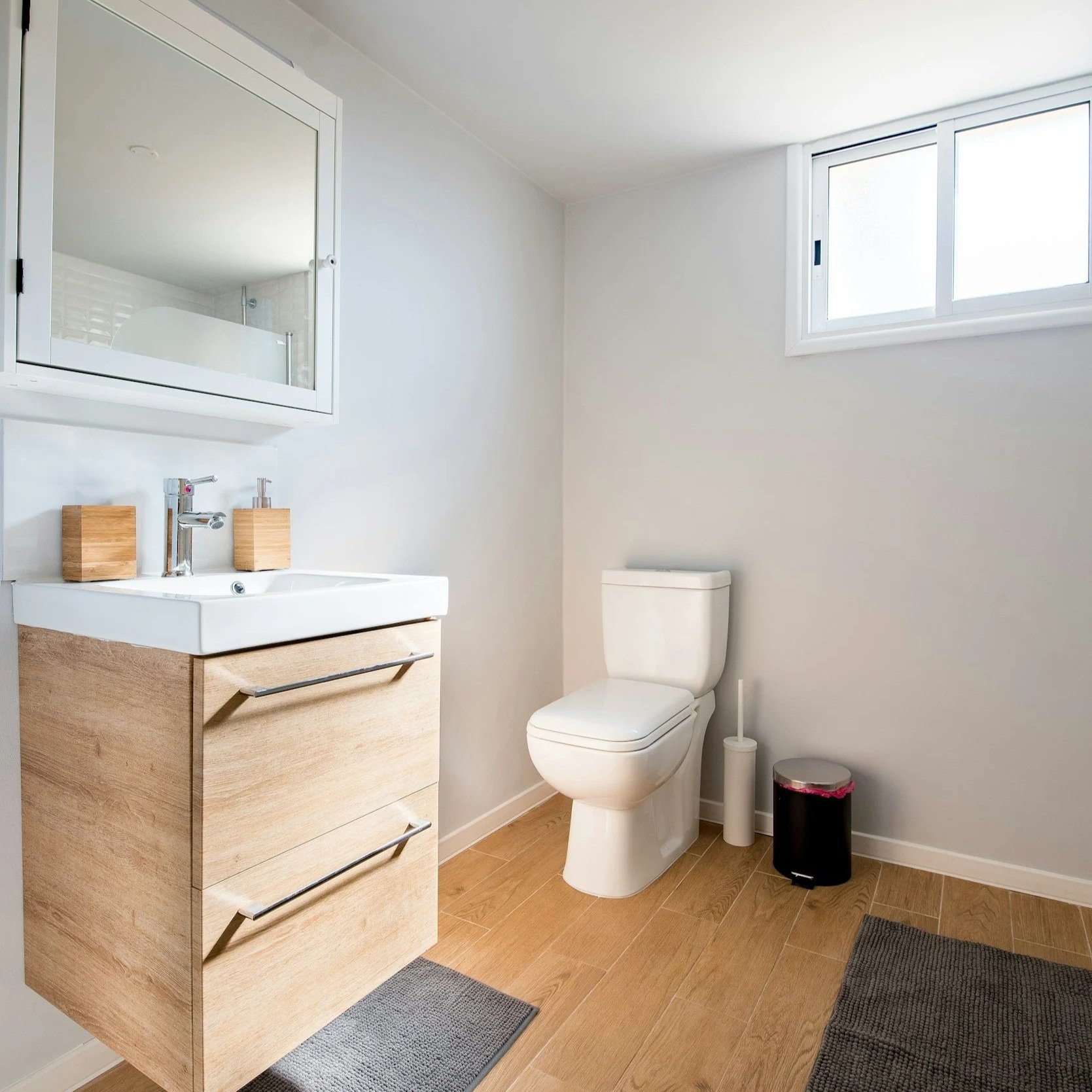
From constant running to rocking bases, even the tiniest flaw makes a big impact on how the bathroom feels.
Toilets may not be the showpieces of the home, but they're vital to comfort and sanitation. When installed correctly, a toilet works like clockwork—reliable, silent, and blissfully forgettable. When it's not installed properly, though? The problems range from minor annoyances to catastrophic messes. From constant running to rocking bases, even the tiniest flaw makes a big impact on how the bathroom feels.
Professional toilet installation isn't just about installing porcelain. It's about crafting a well-functioning fixture that complements the space, saves water, and operates flawlessly for years to come.
Choosing the Right Fit for the Room
Not all toilets fit all bathrooms. Some spaces call for compact, round-bowl designs that tuck neatly into tight corners. Others offer elongated bowls or high-tech models with built-in bidets, heated seats, and even music features. Yes, toilets have evolved—wildly.
Professionals help homeowners and business owners narrow down the options based on the layout, rough-in dimensions, plumbing access, and lifestyle needs. Dual-flush? Great for saving water. Comfort height? Easier on the knees. Wall-mounted? Sleek and easy to clean under. One-piece? Stylish and a breeze to maintain.
The right toilet isn't just functional. It feels like it belongs there.
Preparing for a Clean Start
Before installation can happen, the old unit needs to go—and that's where things can get messy fast. Residual water in the tank and bowl, rusty bolts, or deteriorated wax rings are all par for the course during removal.
Professional installers don't flinch. They shut off the water, flush out as much as possible, and protect the bathroom floor before removal begins. Once the old toilet is lifted, they inspect the flange and drain opening, checking for cracks, corrosion, or uneven surfaces. If something looks off, it's repaired before moving forward.
A solid start leads to a clean finish.
Mastering the Wax Ring Placement
The wax ring is a small, often underestimated component. But it's the gatekeeper between the toilet base and the sewer line. A poor seal can lead to leaks, foul odors, and floor damage. Too much wax? The toilet rocks. Too little? The seal fails.
Professionals use the right thickness based on flange height and toilet base shape. They know how to press the toilet down evenly to compress the ring just right. Some jobs even call for a rubber gasket instead. Either way, it's sealed tight and tested for leaks before the bolts are tightened down.
Securing the Base with No Wobble in Sight
Ever sit on a toilet and feel it shift beneath you? That's a sign of loose or uneven installation—and it only gets worse with time. Once a toilet starts rocking, stress builds at the flange, increasing the likelihood of cracks.
Professionals avoid all of that by making sure the floor is level and the toilet sits flush before tightening bolts. They use caps and washers that match the design, cover the hardware discreetly, and confirm the base won't budge. It's secure, smooth, and ready for real life.
Tank Assembly with a Plumber's Eye
Connecting the tank to the bowl isn't just about lining up holes and tightening bolts. It requires balance, cushion, and care. Misalignment causes leaks at the gasket or uneven pressure across the porcelain. Too much torque cracks the tank; too little leads to a wobbly nightmare.
Professional installers add rubber cushioning washers, align internal gaskets precisely, and tighten components in a star pattern to prevent tilting. They check inside for debris or manufacturing defects before connecting the fill valve and testing the flapper. Once everything's in place, the tank behaves like it's always been part of the room.
Water Supply Lines That Last
Reusing an old water supply line is asking for a callback repair. The rubber can deteriorate, the connectors can corrode, and kinks may already exist. Professionals replace them during every installation, using braided stainless steel hoses that can withstand high pressure and years of use.
They attach the hose with the proper torque, wrap threads with Teflon tape, and test the connection under pressure. No drips. No surprises. Just consistent water flow every time the tank refills.
Flushing Power: Not All Systems Are Equal
Flush performance depends on the toilet's internal mechanics and how they interact with the home's water pressure. Some toilets feature pressure-assisted flushing. Others use gravity-fed designs. Many modern models include dual-flush buttons for light and full-volume needs.
Professionals tune each system to the household's needs. They adjust water levels inside the tank, fine-tune the chain on the flapper, and set the refill rate. The flush is quiet, strong, and consistent—every time.
Knowing When to Upgrade the Flange
The flange is the critical interface between the toilet and the waste line. If it's cracked, rusted, or misaligned, it needs help before anything else can happen. Sometimes it sits too high after a new tile floor is installed. Other times it's sunk too low, causing the toilet to sit unevenly.
Professional installers evaluate the flange and replace or modify it as needed. They install extenders, spacers, or even new flanges to create a flush fit with the wax ring. That means better alignment, no rocking, and full support for the toilet above.
Matching the Toilet to the Aesthetic
A toilet might not be the focal point of a bathroom remodel, but it still needs to complement the style. A bulky two-piece model can throw off a minimalist space. A modern design can feel out of place in a traditional room. Even the seat's shape and profile matter.
Professionals help clients choose toilets that match the room's personality. They take into account color, height, bowl shape, and flush lever placement. And when installation happens, it blends into the design as if it were always meant to be there.
No fanfare. Just harmony.
Testing the Final Product
The install doesn't end with the last bolt. A professional tests the toilet with multiple flushes, checks for leaks at the base and tank, and verifies that the water shuts off correctly. The seat is secured, the lid is aligned, and the base is caulked, if requested. Every component is tested before the tools are packed away.
If anything feels off—wobble, gurgle, or odd flush pattern—it's fixed on the spot. The result is a toilet that disappears into the background of your day, working quietly and reliably without calling attention to itself.
The Long-Term Value of Professional Installation
Toilets see daily action. They're not decorative. They're not optional. And they're not forgiving of mistakes. A poor install leads to callbacks, repairs, damage, or worse. A professional installation prevents all of that.
It's about quality craftsmanship, respect for the space, and systems that work behind the scenes. With the right hands on the job, the new toilet doesn't just work—it enhances the space, saves water, and holds strong for the long haul.
Flushing in a fresh start means trusting the process, the parts, and the professionals who put it all together. And once it's done right, you never have to think about it again. Which is exactly how it should be.
Homeowners in Paramount, CA, trust Ser Plumbing for reliable plumbing repair services, hydro jetting, sewer service, drain cleaning, and toilet repairs and replacement solutions. We aim to ensure that your plumbing system gets the required attention and runs seamlessly year-round. Family-owned, licensed, insured, and bonded. 24-hour emergency services available. Call today!